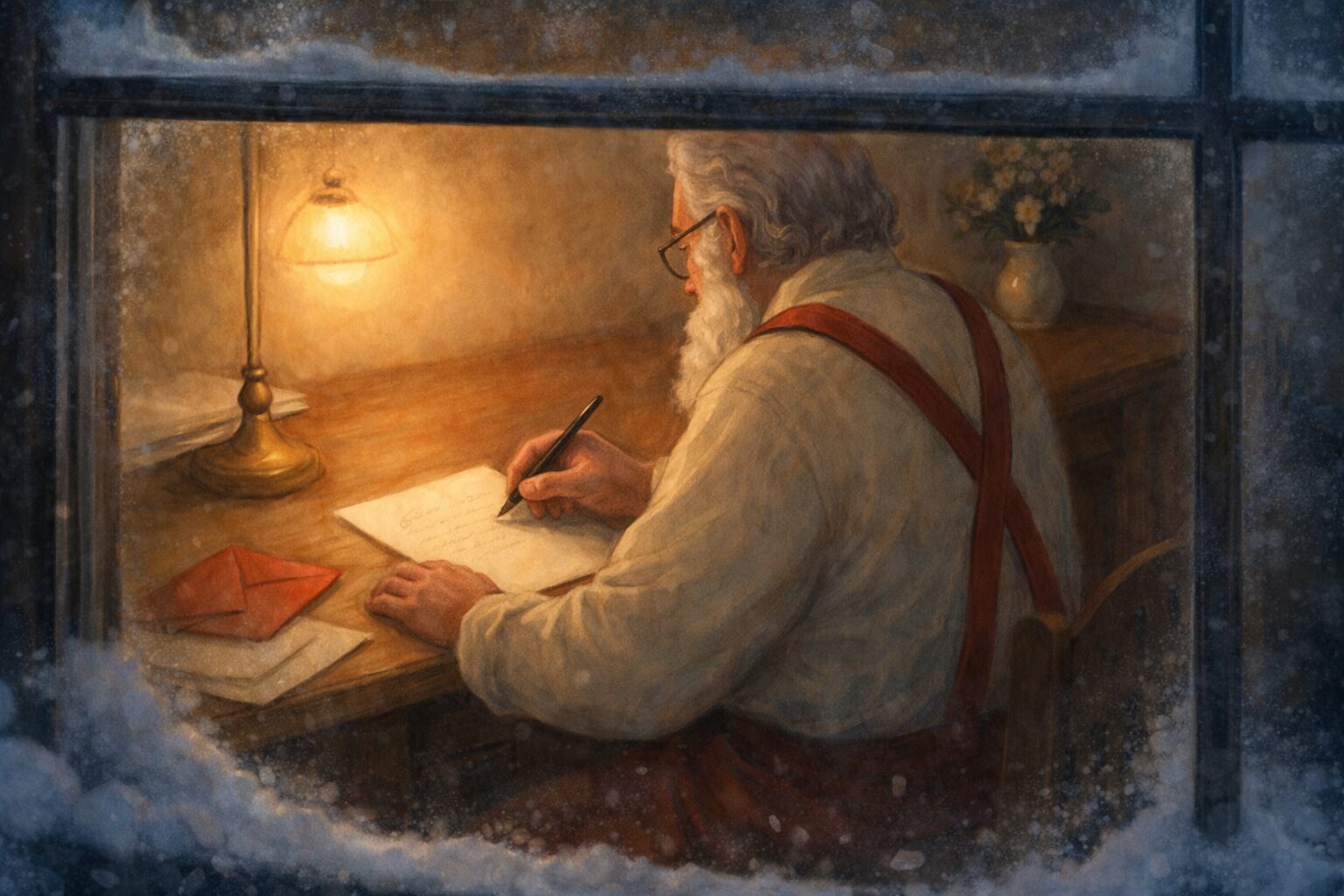
I have been traveling winter roads for a very long time, long enough to know that not every place welcomes the season in the same way. Some winters are loud, while others are quiet. Some people lean into rules and warnings, while others lean into warmth and watching.
I first noticed the Yule Troll family the way one notices neighbors across a snowy field. Not because they announced themselves, but because their lights stayed on late and the house always felt alive. Laughter carried through the dark, footsteps crossed the floor, a chair scraped, and a door opened and closed again.
They stay busy in a way that feels familiar, and like most people, they are good at heart even when they make a mess of things.
Grýla watches the season carefully, and she keeps an eye on children as well, not to scare them, but to understand them. She notices how rules get tested, how someone goes a little too far, and how learning happens when it is time to stop.
Leppalúði pays attention to what breaks after the noise has passed, whether it is a hinge, a handle, or a temper. He fixes what needs fixing and stays close while the day settles again, letting the lesson take its time instead of pushing it along.
The Yule Lads do what children everywhere do. They push boundaries, peek where they should not, and reach for whatever smells good or sounds interesting. They make a mess of things, then pause to see what has changed because of it. If you have ever tried something simply to see what would happen, then you already understand the Yule Lads.
What interests me most is what does not happen.
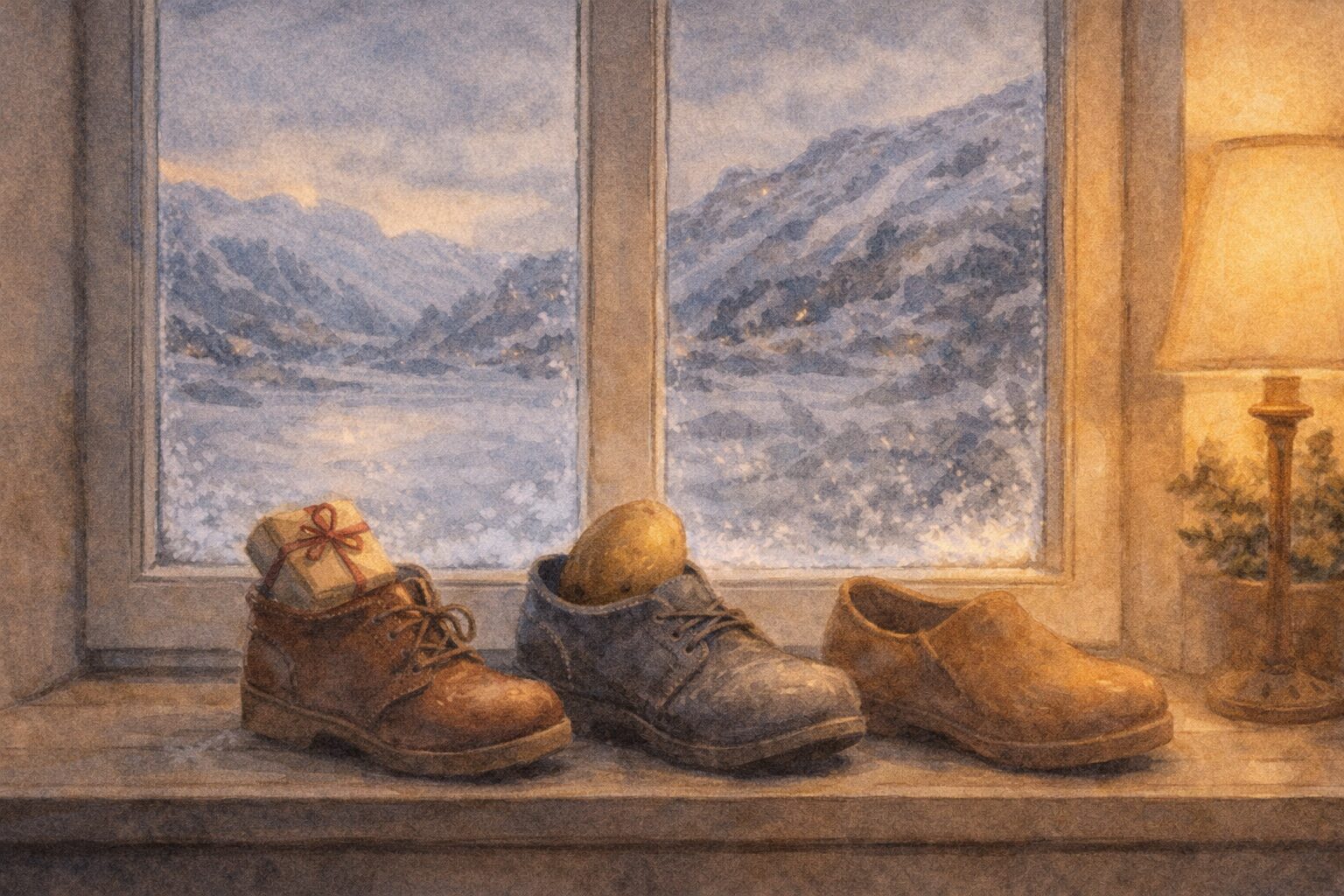
No one chases them or threatens them, and no one warns that winter will turn against them if they get it wrong. Instead, the world around them adjusts. Doors close a little more carefully, food moves farther back, and shoes appear in windows. Some mornings bring a gift. Other mornings bring a potato.
The message stays quiet, but it remains clear. You are part of this season. Your choices matter. You are still welcome here.
That feels familiar to me.
My own work has always focused less on watching for mistakes and more on noticing effort. Children learn best when they are allowed to take part, when they feel trusted enough to try, and when the season invites them in rather than standing over them.
Winter lasts a long time in Iceland, and darkness lingers. That makes care important. Stories need to hold people together, not press them apart. They should feel like a fire you can sit near, not a door that closes.
The Yule Trolls seem to understand this, which is why their mischief stays close to the hearth and their corrections stay close to home. No one gets sent away.
These stories did not soften by accident. People chose that path.
They grew the way families grow, by listening, by choosing what to carry forward, and by deciding that fear was not necessary to keep a tradition alive.
When I watch Icelandic children place their shoes in the window, I do not see obedience. I see anticipation, curiosity, and trust that morning will bring something worth finding.
Children do not need to become someone else to belong to winter. They belong while they are learning.
That feels like good winter work to me.
So when people ask what I think of the Yule Trolls, I tell them this. They are doing what winter stories are meant to do. They keep the dark from feeling empty, remind children that they belong, and leave room for mistakes, for laughter, and for learning.
They leave the door open.
And in a season like this, that is more than enough.
Next time, I would like to tell you why stories like these matter most when the nights are longest.
More from Iceland’s Christmas Legends
- Santa’s Northern Neighbors
- Grýla: Winter Mother of the Mountains
- Leppalúði: The Quiet Troll Dad
- Jólakötturinn: The Great Yule Cat of Iceland
- The First Four Yule Lads
- The Middle Five Yule Lads
- The Last Four Yule Lads
- How Icelandic Children Celebrate with the Yule Lads
- What Santa Thinks of the Yule Trolls (Current)
- Why These Stories Matter in the Dark of Winter