Category: Santa Stories

Narrative posts and seasonal stories told in Santa’s voice, including folklore, reflections, and moments of meaning meant to be read, remembered, and shared.

  • Why These Stories Matter in the Dark of Winter

    Why These Stories Matter in the Dark of Winter

    Morning has come again.

    I am home now. I have finished the journey and put the sleigh away. The last quiet street is long behind me. Snow rests where it fell, untouched for a few hours longer, as if the world itself has decided not to rush.

    This is the moment I always notice most.

    Not the leaving. Not even the long night of travel. It is this return, when the dark loosens its grip and light begins, almost shyly, to take up space again. The morning does not arrive all at once. It spreads. It lingers at the edge of things. This morning makes the long waiting feel finished.

    This is the hour winter stories know best.

    They are born in the deep dark, when the nights feel endless and the cold presses close. They carry us forward to mornings like this. Here, stories meet our waiting not with answers, but by being there with us. Warm embers glow in the hearth. Footprints remain in the snow. Gifts wait quietly where someone has placed them with care.

    I have always believed that stories know where they are needed.

    In the thick of winter, they do not rush anyone toward happiness. They sit with us while the dark does its work. They remind us that others have waited through long nights too. They remind us that the world has leaned back toward the light before, slowly and without fanfare.

    And in the bright winter morning that follows, that is enough.

    Children feel this without being told. They wake early and tumble straight into the morning, leaving the night behind without a backward glance. They are not interested in what it all was about yet. They eagerly open what others have left. They expect joy.

    Adults feel it too, even if they forget the words for it. Shoulders soften. Breaths deepen. The room fills with a warmth that has nothing to do with the fire. No lesson has been announced. Nothing has been explained.

    And yet, something important has arrived.

    This is the quiet work of winter stories.

    They keep watch while the night passes. They tend what has been stretched thin or worn down. They stay close enough to notice when something needs care. They are patient enough to let joy arrive in its own time.

    I try to do the same. This morning, the light rests longer on the snow. The house feels still after all that motion. It is good to be home again. I see the day gently carrying what the night was holding. I have seen this kind of work before, the kind that looks after winter, not by force, but by attention and care.

    The dark has done its work.
    Now the morning does its own.

    Stories remain, as they always have. Not because they chased the darkness away, but because they stayed until the light was ready to return.


    More from Iceland’s Christmas Legends

  • What Santa Thinks of the Yule Trolls

    What Santa Thinks of the Yule Trolls

    I have been traveling winter roads for a very long time, long enough to know that not every place welcomes the season in the same way. Some winters are loud, while others are quiet. Some people lean into rules and warnings, while others lean into warmth and watching.

    I first noticed the Yule Troll family the way one notices neighbors across a snowy field. Not because they announced themselves, but because their lights stayed on late and the house always felt alive. Laughter carried through the dark, footsteps crossed the floor, a chair scraped, and a door opened and closed again.

    They stay busy in a way that feels familiar, and like most people, they are good at heart even when they make a mess of things.

    Grýla watches the season carefully, and she keeps an eye on children as well, not to scare them, but to understand them. She notices how rules get tested, how someone goes a little too far, and how learning happens when it is time to stop.

    Leppalúði pays attention to what breaks after the noise has passed, whether it is a hinge, a handle, or a temper. He fixes what needs fixing and stays close while the day settles again, letting the lesson take its time instead of pushing it along.

    The Yule Lads do what children everywhere do. They push boundaries, peek where they should not, and reach for whatever smells good or sounds interesting. They make a mess of things, then pause to see what has changed because of it. If you have ever tried something simply to see what would happen, then you already understand the Yule Lads.

    What interests me most is what does not happen.

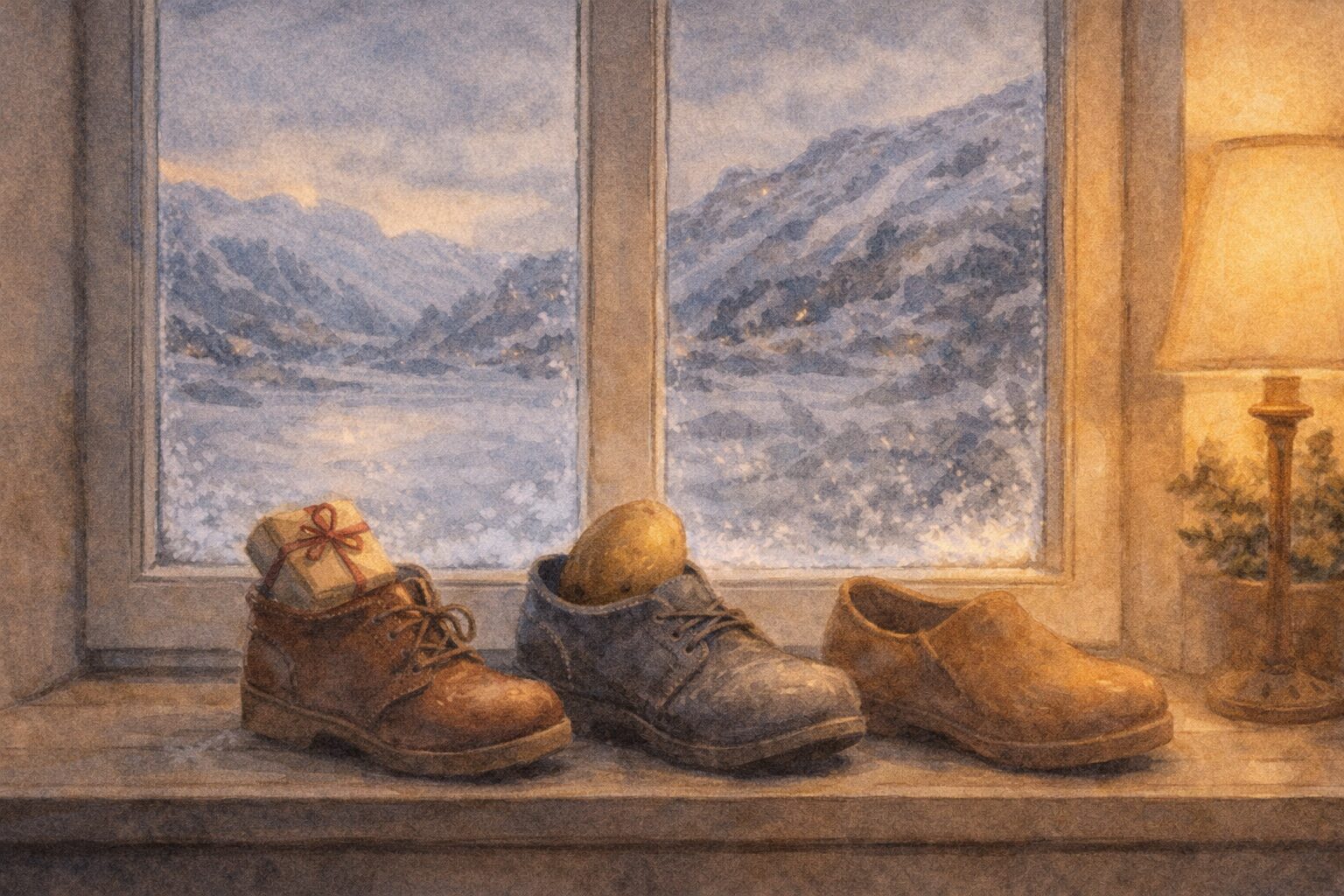
    No one chases them or threatens them, and no one warns that winter will turn against them if they get it wrong. Instead, the world around them adjusts. Doors close a little more carefully, food moves farther back, and shoes appear in windows. Some mornings bring a gift. Other mornings bring a potato.

    The message stays quiet, but it remains clear. You are part of this season. Your choices matter. You are still welcome here.

    That feels familiar to me.

    My own work has always focused less on watching for mistakes and more on noticing effort. Children learn best when they are allowed to take part, when they feel trusted enough to try, and when the season invites them in rather than standing over them.

    Winter lasts a long time in Iceland, and darkness lingers. That makes care important. Stories need to hold people together, not press them apart. They should feel like a fire you can sit near, not a door that closes.

    The Yule Trolls seem to understand this, which is why their mischief stays close to the hearth and their corrections stay close to home. No one gets sent away.

    These stories did not soften by accident. People chose that path.

    They grew the way families grow, by listening, by choosing what to carry forward, and by deciding that fear was not necessary to keep a tradition alive.

    When I watch Icelandic children place their shoes in the window, I do not see obedience. I see anticipation, curiosity, and trust that morning will bring something worth finding.

    Children do not need to become someone else to belong to winter. They belong while they are learning.

    That feels like good winter work to me.

    So when people ask what I think of the Yule Trolls, I tell them this. They are doing what winter stories are meant to do. They keep the dark from feeling empty, remind children that they belong, and leave room for mistakes, for laughter, and for learning.

    They leave the door open.

    And in a season like this, that is more than enough.

    Next time, I would like to tell you why stories like these matter most when the nights are longest.


    More from Iceland’s Christmas Legends

  • How Icelandic Children Celebrate with the Yule Lads

    How Icelandic Children Celebrate with the Yule Lads

    By the time the Yule Lads have finished filling their family’s mountain home, something else has already been happening across Iceland.

    Shoes have been appearing in windows.

    Not all at once, but one here and another there. Small shoes and worn boots. Slippers that have clearly been cleaned more carefully than usual. They line windowsills in apartments, farmhouses, and towns along the coast, waiting quietly through the night.

    The children check them each morning. Some mornings bring a small gift. Potatoes appear on other mornings. Both things make those children laugh, and a potato never feels like a punishment. It’s not a warning, but a piece of the game itself. A shared understanding that the Yule Lads are watching, noticing, and still learning alongside the children who wait for them.

    I have watched children explain this to one another many times. They speak with ease and excitement. They sound proud, as if they are taking part in something important.

    In Iceland today, the Yule Lads are not used to frighten children into behaving. They are an invitation into the season. Their stories are told in classrooms, shared in drawings, acted out in winter plays, and laughed over at kitchen tables. Children know their names. They know their habits. They recognize themselves in them, especially when they would rather grab than wait, or peek instead of ask.

    What strikes me most is how comfortably these stories live in everyday life. Children talk about which Yule Lad arrived last night the same way they talk about snowfall or daylight returning. It is part of the rhythm of December. Parents listen without correcting too much. Teachers smile and let the conversations wander. Nobody rushes to explain the lesson, because the story already knows how to do its work.

    The Yule Lads are mischievous, but they are not cruel. They are curious, but they are not careless. They test boundaries, and then they learn what happens when a house grows full and people notice one another more closely. Icelandic children understand this instinctively. They do not need the stories spelled out. They live them.

    I have seen children draw the Yule Lads with crooked hats and long noses, laughing as they argue about which brother would be the loudest or the hungriest. I have heard them debate which Yule Lad they would rather meet first. These are not fearful conversations. They are affectionate ones.

    What the children seem to know, and what the adults quietly protect, is that winter already carries enough darkness. Stories do not need to add more. Instead, they add warmth. They add recognition. They add a sense that everyone is learning together, even the ones who sometimes make a mess of things.

    That is what I admire most about how families in Iceland tell these stories now.

    The Yule Lads still arrive one by one. Shoes still wait in windows. Potatoes still appear now and then. But the heart of the tradition has shifted toward kindness, humor, and shared anticipation. The season becomes something children take part in, not something that happens to them.

    From where I stand, that feels wise, and it feels familiar in a way I recognize right away.

    When I listen to Icelandic children talk about the Yule Lads, I hear something familiar from my own work in winter. People believe that sharing wonder works best. That mischief is part of learning. And that the most important thing a holiday figure can do is help families gather closer, not pull them apart.

    In the next post, I will speak more directly about that recognition, and about my own thoughts on this lively troll family who has learned how to walk gently alongside children in the darkest weeks of the year.

    I have a great deal of affection for them.

    And I think you will understand why.


    More from Iceland’s Christmas Legends

  • The Last Four Yule Lads

    The Last Four Yule Lads

    By the time the ninth lad arrives, their home among the lava fields feels different. Not quieter, exactly. Just used to itself.

    Boots settle into the same places by the door. Someone counts the bowls before anyone asks. Someone feeds the fire earlier than usual, remembering how quickly the room cools when many people pass through it. Doors still open and close, but they do so with more care. A house this full learns quickly, and the boys notice.

    There is less rushing now, and less slamming or grabbing. There is more waiting. When every room is already crowded, the only places left to test are the ones in between. Windows. Doorways. The thin line where warmth meets the dark.

    That is where the last four arrive.

    Window-Peeper

    Gluggagægir (GLUG-gah-guy-gir)

    Window-Peeper arrives quietly and stops where the house meets the night. He knows this place well. Cool glass holds warmth, and candlelight shows what it wants to show. If you stand just right, you can see everything without being seen.

    Inside, the room loosens. A chair scrapes back. Someone laughs too loud, then laughs again. A child leans across the table and forgets the rules for a moment. Bread passes from hand to hand, still warm.

    Window-Peeper steps closer than before, and for a moment it works. Faces turn inward. The window becomes only a surface. He sees the shine on bowls, the movement of hands, the soft disorder that comes when people stop watching the edges.

    Then the room shifts. Not sharply, and not in alarm. Someone reaches up and draws the curtain a little closer. It is not closed, only angled. The candlelight stays warm, but the reflections thicken, and the inside grows harder to read.

    Window-Peeper leans in again, but nothing changes. He waits longer than he meant to, blinking against the glass. At last, he steps back into the dark. Inside, the room keeps going.

    Doorway-Sniffer

    Gáttaþefur (GOUT-tah-THEH-vur)

    Doorway-Sniffer comes down the path with his nose already working. Twitch, twitch.

    He knows this house by its edges. Warm air slips out when a door opens. Scent settles into the grain of the wood. A threshold remembers what has passed through it. He stops just outside and breathes in, and it is enough to make him smile.

    Bread is cooling somewhere inside. Meat has rested long enough to soften. Wool, smoke, and candle wax mix into something that feels like supper and stories.

    Doorway-Sniffer leans closer as the door opens. For a moment, the air spills freely, generous and unguarded. He fills his lungs and lets the smell carry through to him. This is better than stepping inside. This way, he does not have to decide anything.

    Then the door closes again. Not quickly, and not sharply. Just closed.

    Inside, the household shifts without comment. Now, they open doors with care, not habit. They cover pots sooner. Hands pause before leaving a room. Doorway-Sniffer waits and breathes again. The scent is still there, but thinner now, no longer rushing toward him.

    He steps closer to the frame, hoping for another opening, but none comes. After a while, he steps back from the threshold and turns away. Inside, the house goes on as it was.

    Meat-Hook

    Ketkrókur (KET-krow-kur)

    Meat-Hook arrives carrying what the others do not. A tool.

    He watches first, as he always does. He studies where the food rests, how it hangs on the wall, and how often hands pass beneath it. Then Meat-Hook waits for people to turn away and the room to grow careless. When the moment comes, he does not hesitate.

    His hook lifts cleanly, and a morsel swings free. For a brief, dangerous moment, it works exactly as planned.

    No one shouts, and no one runs. Grýla notices the absence the way she notices everything else, by feel, by the way the room stumbles for half a breath and then keeps going. She says nothing.

    Later, Leppalúði moves through the house, steady and unhurried. He does not search for the lad, and he does not take the hook away. Instead, he adjusts the strings and shifts where the food rests. What hangs now does so closer to the wall, where a tool is less useful than a hand.

    Meat-Hook comes back and tests the angle. The hook comes up short. He tries again, slower this time, leaning farther than before. Still nothing. The room does not offer what it did earlier. People move past him without comment, and the food remains where it is.

    Meat-Hook lowers the hook and stands there longer than he needs to. When he leaves, he takes the tool with him. The food stays behind.

    Candle-Beggar

    Kertasníkir (KER-tahs-NEE-kir)

    Candle-Beggar comes last, and the timing matters. By now, the house glows more often than it darkens. A lantern waits by the door for someone who will return late. Candles are lit not because they must be, but because people like the way the room feels when they are.

    That light draws Candle-Beggar in. He follows the children at a distance, watching how the flame changes their faces and how shadows move along the walls when someone laughs or turns their head. He keeps to the edge, careful not to rush.

    A child lifts a candle and laughs, and the light dances across the room. Candle-Beggar steps closer than he should.

    Someone notices and lifts the candle higher, out of reach, not in fear, but in care. The children go back toward the hearth, and the flame stays lit, steady and bright.

    Nothing disappears, and nobody hands anything over.  I have seen Candle-Beggar remain near the doorway, hands empty and twitching, watching the light from where he stands. He waits longer than he needs to, then turns away, leaving the glow behind him.

    The house does not go dark.


    Thirteen Yule Lads have now filled the house. It has learned how to be full again, the way it does every winter. Not without noise and not without trouble, but with enough rhythm to hold everyone at once.

    Soon, the path up the mountain will feel different. Boots will disappear from the doorway one by one. Bowls will stay where they are for longer stretches of time. The rooms will keep their warmth, but the sounds that filled them will thin and fade.

    Grýla will notice the quiet first. She always does. She will stand where she stands each morning and listen, measuring the season as it settles back into place. Leppalúði will keep moving through the house, setting things right without comment. There will be fewer dents to fix and fewer strings to adjust, but his hands will still know what to do.

    Every family knows this moment. Even when a home is crowded through the holidays, it may still feel a little hollow when the last footsteps fade. The warmth remains, but it gathers differently.

    Next time, we will step back from this house and look outward. At the shoes waiting in windows across Iceland, and the children who check them in the morning. At how these stories are told now, with kindness and care instead of fear.

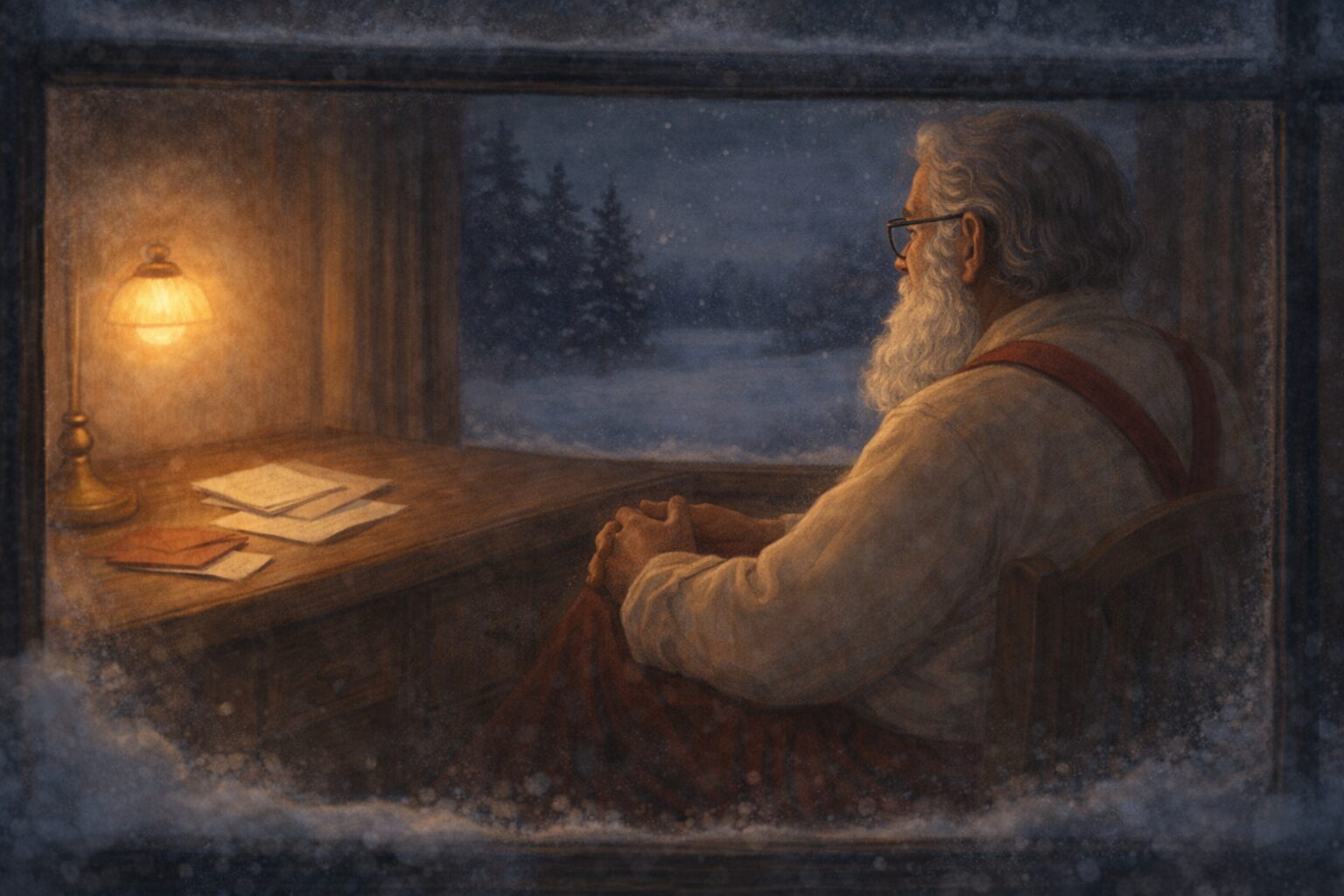
    For tonight, the fire burns steadily, the light holds, and the house rests, full and quiet in the way only a lived-in home can be.


    More from Iceland’s Christmas Legends
  • As the House Fills: The Middle Five Yule Lads

    As the House Fills: The Middle Five Yule Lads

    By the time the first four Yule Lads have arrived, the household among the lava fields has already changed its rhythm.

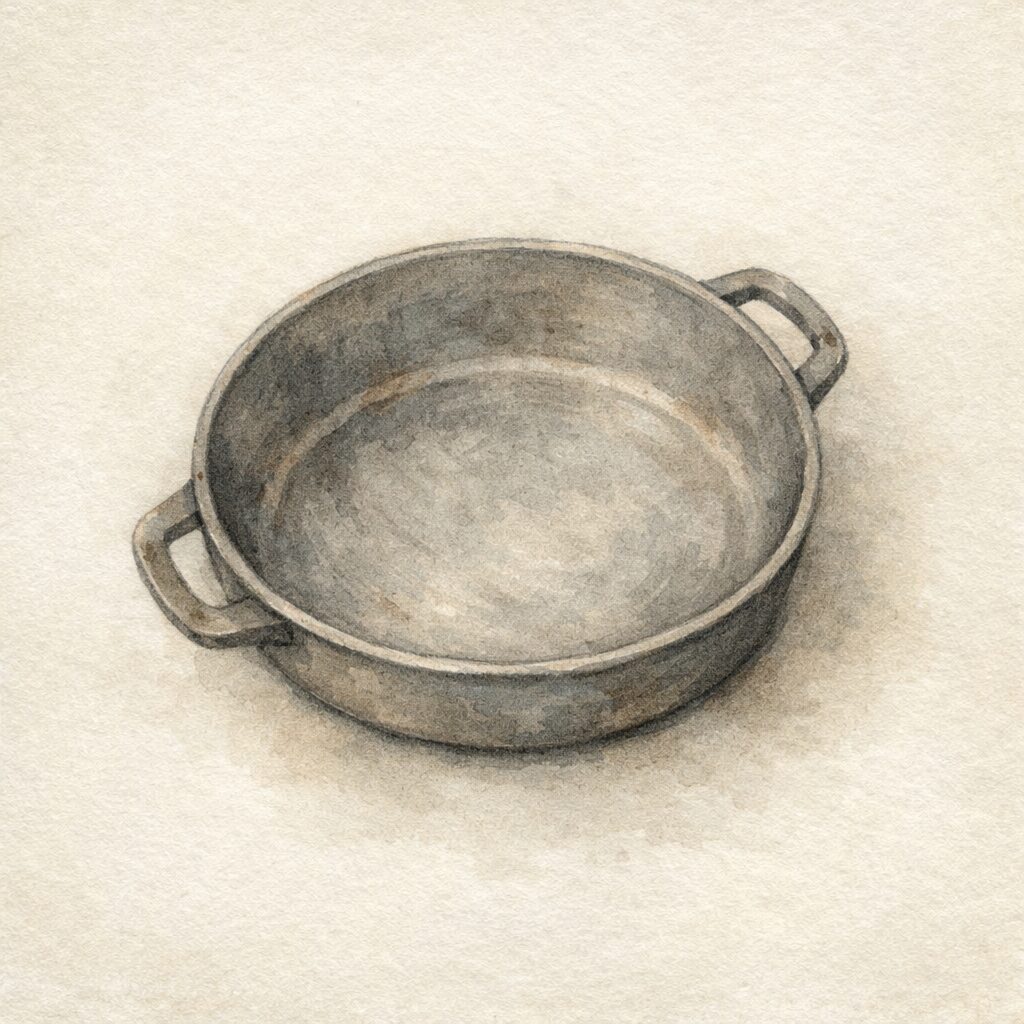
    Boots line the doorway in uneven pairs. Someone is always moving through the kitchen. Cups are counted more carefully now. Spoons hang a little higher than before. The fire stays lit longer into the night, as if it has learned to expect company.

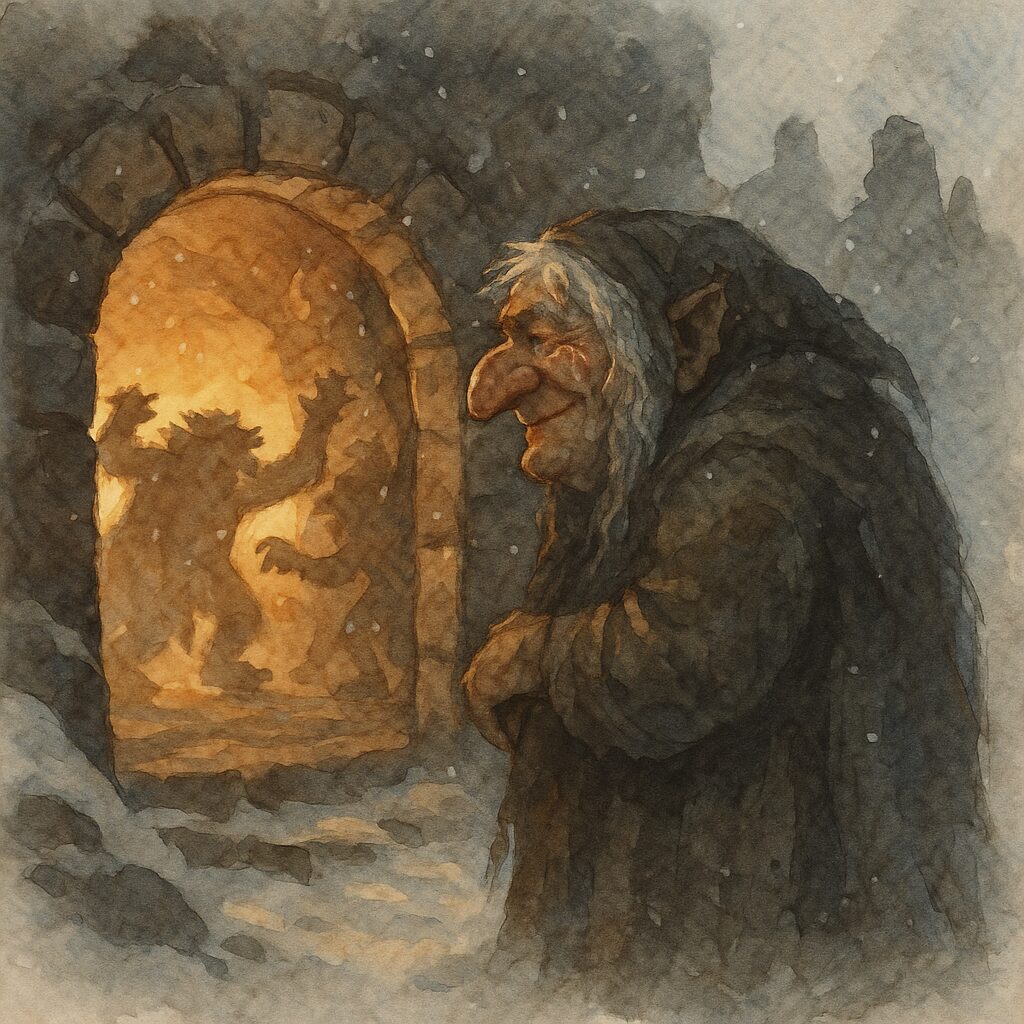
    Grýla notices the difference right away. She always does. Leppalúði fixes what needs fixing and leaves the rest alone. They both know what comes next.

    Because once a house has adjusted, it rarely stays settled for long.

    The path down the mountain grows busy again.


    Pot-Scraper

    Pottaskefill (POT-tah-skeh-fill)

    Pot-Scraper listens before he moves.

    Laughter swells. A story begins. Heads turn and attention wanders. When the moment feels right, a soft tap sounds at the door. Children run to see who has come. By the time they return, he is already at the pot, scraping the last bits with care and speed.

    He does not empty it completely. What clings is taken. What rests is left behind.

    In a house this full, that matters, especially when something is almost finished and no one has said whether it is yours to take.

    Grýla surveys the pot later and says nothing. Leppalúði shifts the next meal so everyone eats together, slower than usual. No one rushes away.

    Nearby, Pot-Scraper lingers, pretending not to notice. Timing can feel clever, he is learning, but it can also take more than it should.

    Bowl-Licker

    Askasleikir (AH-ska-slay-kir)

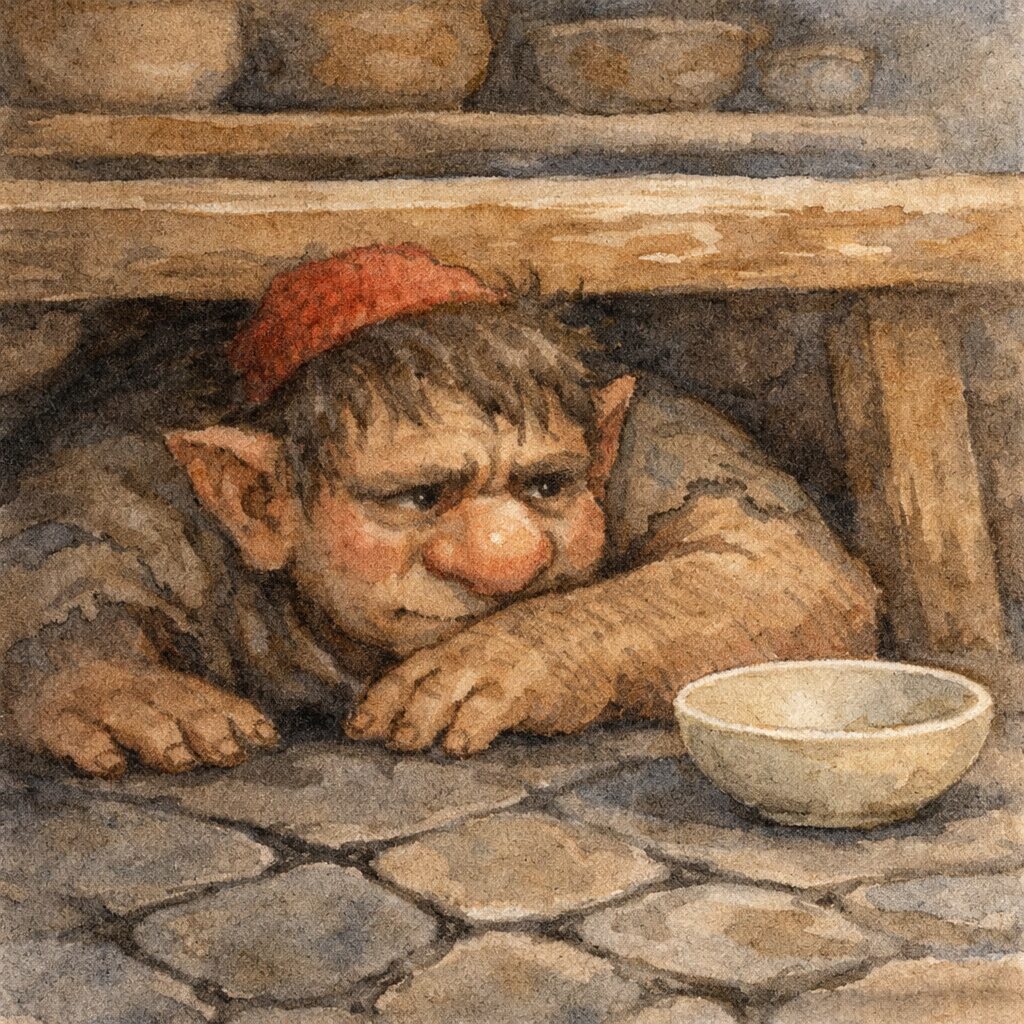
    Bowl-Licker prefers the spaces beneath things.

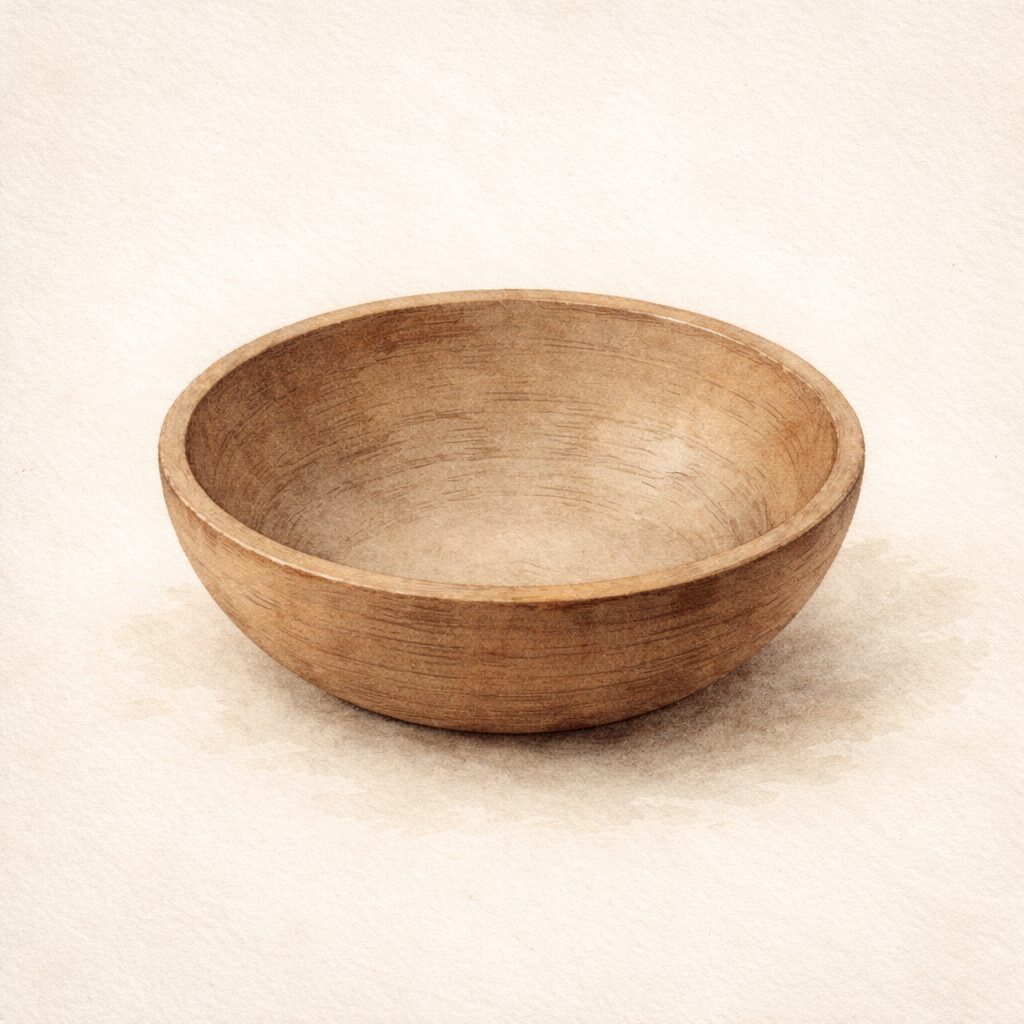
    Under beds and benches, he waits close enough to hear feet shuffle and bowls scrape against stone. When a bowl is left on the floor, he reaches out, pulls it into his world, and licks it clean.

    The problem is not the bowls. It is where he chooses to be.

    People trip over him. Children laugh, then feel awkward. Once, Grýla clears her throat. Leppalúði moves the bowls to a higher shelf and sweeps the floor with slow, careful strokes.

    From the edge of the room, Bowl-Licker watches. Closeness can comfort, he is beginning to understand, but it can also crowd, and stepping out from underfoot turns out to be harder than he expected.

    Door-Slammer

    Hurðaskellir (HUR-tha-skell-ir)

    Door-Slammer knows exactly what he is doing.

    Twilight softens voices. Heads begin to nod. Then the door slams, once, sharp and loud. The echo follows. More important is the reaction that comes after.

    This time, it is not the surprise he enjoys. It is the response.

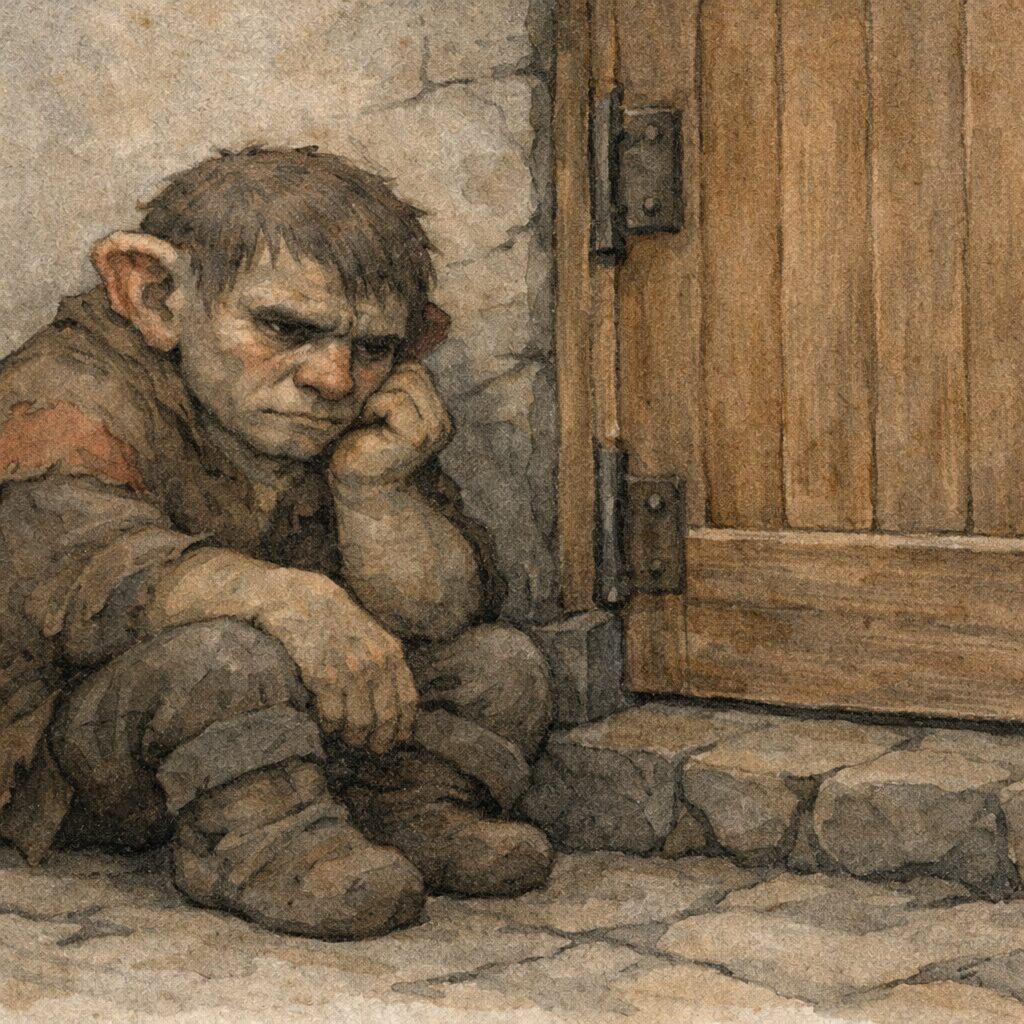
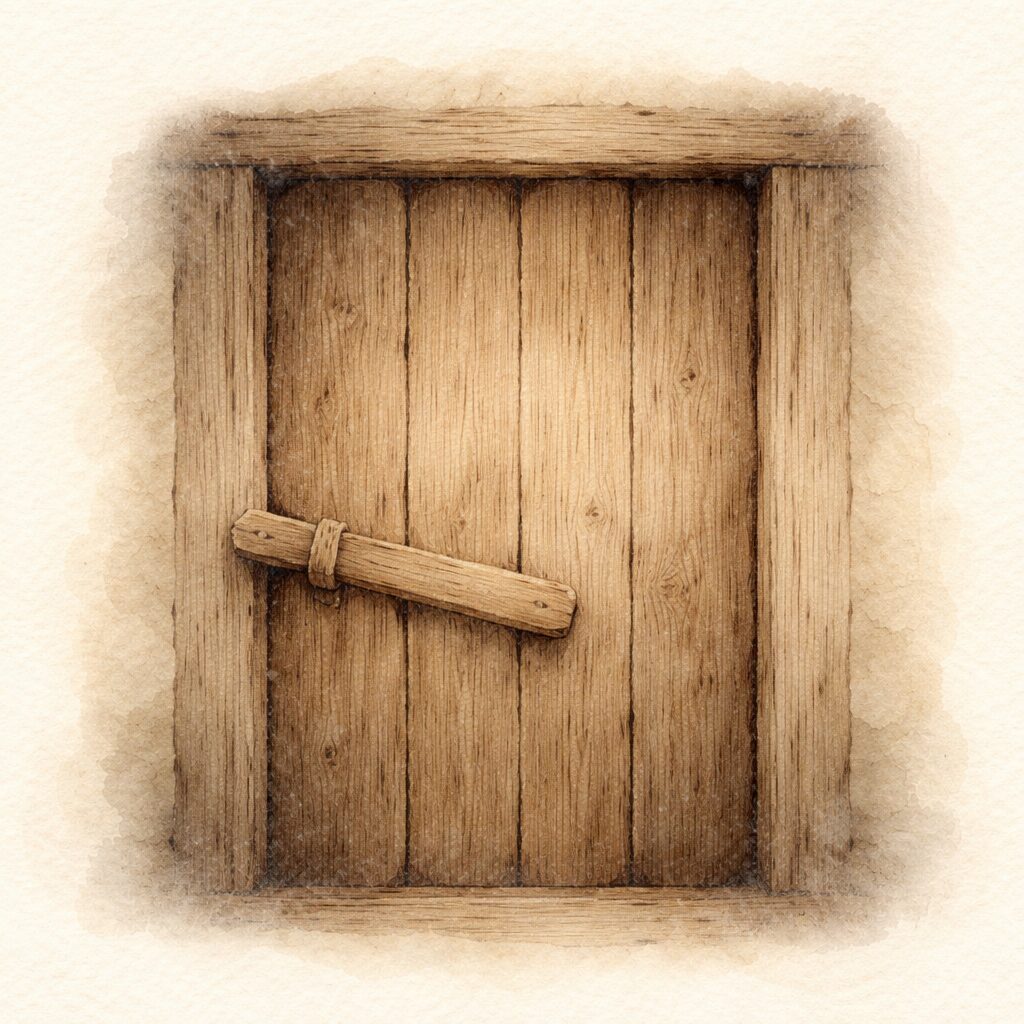
    Grýla turns slowly. Leppalúði does not look up at all. He rises, checks the hinges, and oils them until the door closes with a dull, obedient sound.

    Later, Door-Slammer tries again. The sound is smaller now. So is the reaction, and the quiet that follows asks a different kind of question than the slam ever did.

    On the step, he sits thoughtful. Noise still has power, but it does not last as long as he hoped.

    Skyr-Gobbler

    Skyrgámur (SKEER-gow-mur)

    Skyr-Gobbler loves comfort.

    He lifts the lid of the skyr tub and eats until the spoon scrapes the bottom. Hunger fades, but he keeps going. Only the empty scrape tells him to stop. An empty tub feels safer that way.

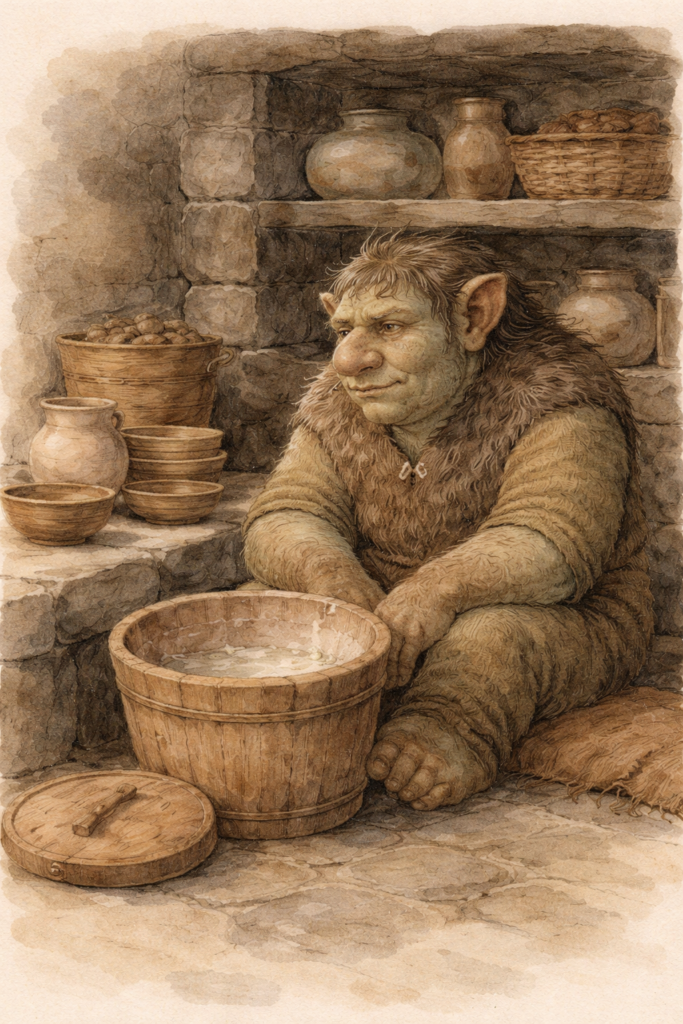
    Skyr should be abundant. In this house, it usually is.

    The lid goes back on the next morning without comment. Leppalúði sets out bowls and divides what remains evenly, then adds more from the cellar. There is enough. There has always been enough.

    This time, Skyr-Gobbler eats more slowly. Control, he is learning, can come from trust rather than taking everything at once, a difference that matters more than he expected.

    Sausage-Swiper

    Bjúgnakrækir (BYOOG-nah-cray-kir)

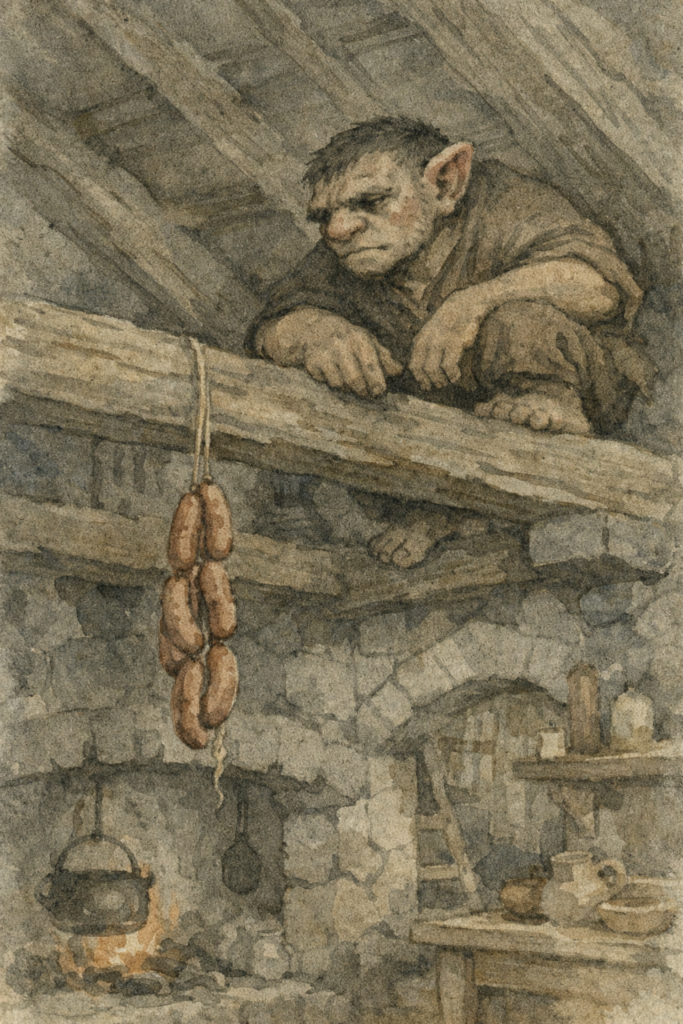
    Sausage-Swiper watches from above.

    From rafters and beams, he waits while others argue and laugh below. Smoke gathers where he sits, warm and distant. When the moment is right, a hook lowers and a sausage lifts free without a sound.

    Planning works. Waiting works. Distance works best of all.

    Grýla counts the sausages before dinner and counts again after. Leppalúði adjusts the strings so they hang lower, within reach, where no one has to climb to take what they need.

    Sausage-Swiper stays where he is, thoughtful. Coming down would mean asking. Staying put still feels easier.


    Nine Yule Lads now fill the house.

    Noise lives in every corner. Food disappears more quickly. Doors open and close more often than they should. Yet something else has settled in alongside the chaos.

    The boys are closer.

    At the center of it all, Grýla stands watchful and steady. Leppalúði moves between rooms, repairing, smoothing, and reminding without speaking. Together, they hold the shape of the household as it stretches, and something about fullness begins to feel different than it once did.

    Outside, snow continues to fall. Inside, the fire burns brighter than before. A crowded house, it turns out, can still learn how to feel like home.

    Farther up the mountain, more footsteps are already on their way down.

    The final four are coming.

    If you’d like Santa to share a story or bring a little wonder to your home or event this season, my visit calendar has a few open spots. I would love to meet you.

    More from Iceland’s Christmas Legends
  • The First Four Yule Lads

    The First Four Yule Lads

    On the first night of the Yule season, something changes in the house among the lava fields.

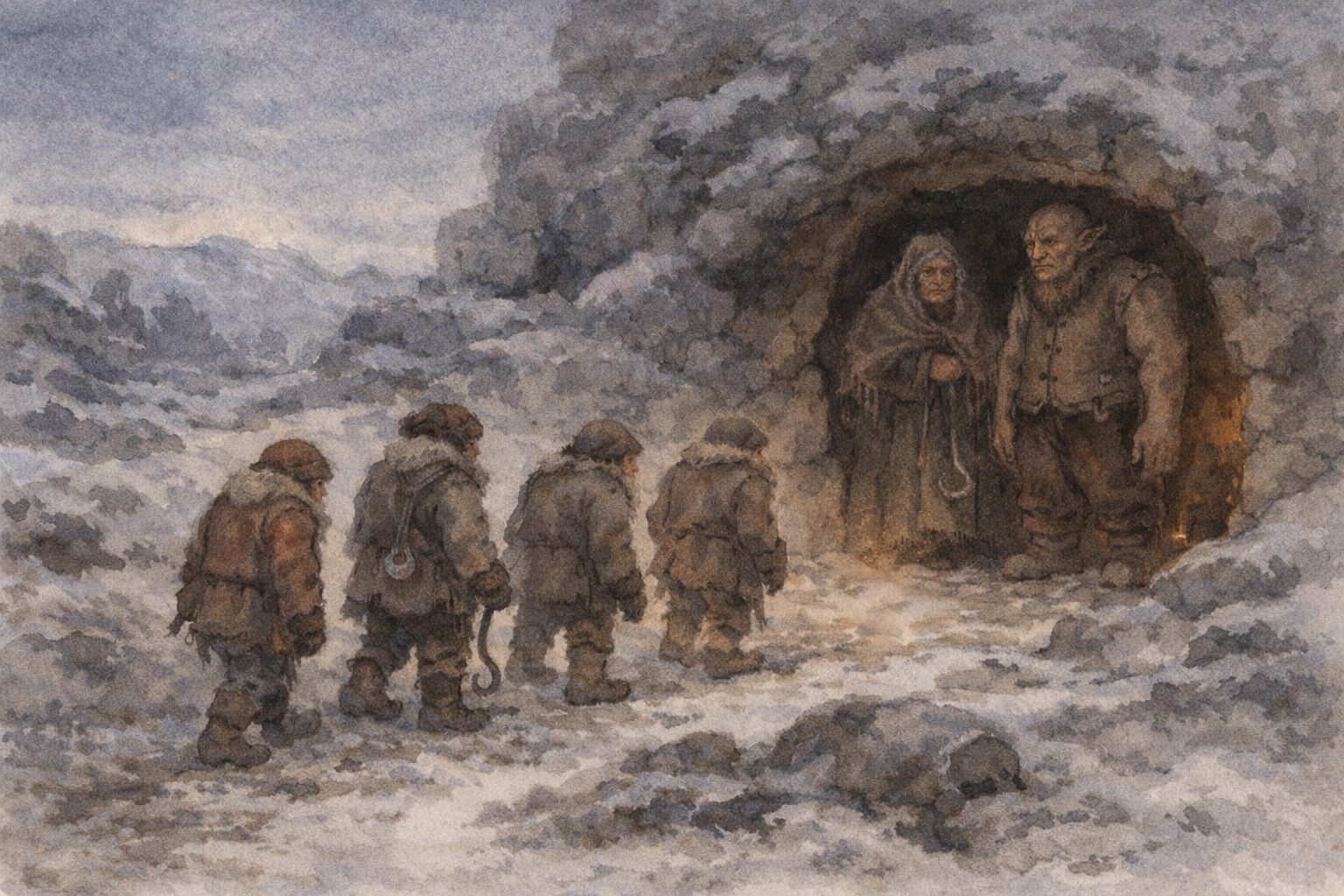
    It is not loud at first. A door creaks. Boots shake off snow. Someone laughs too early, then stops. Grýla does not turn around, but she knows. Leppalúði sets his tool down and listens.

    The boys have begun to arrive.

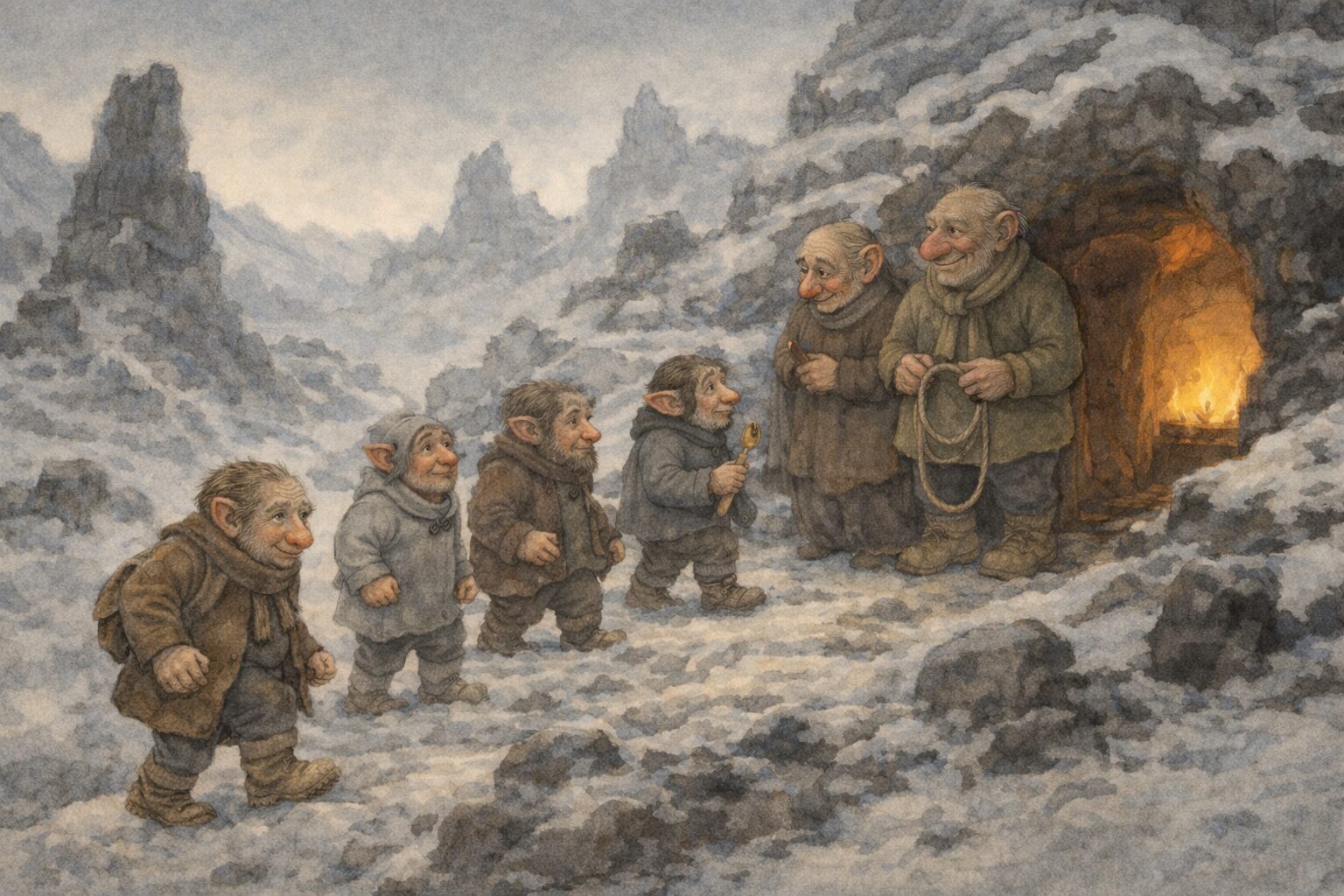
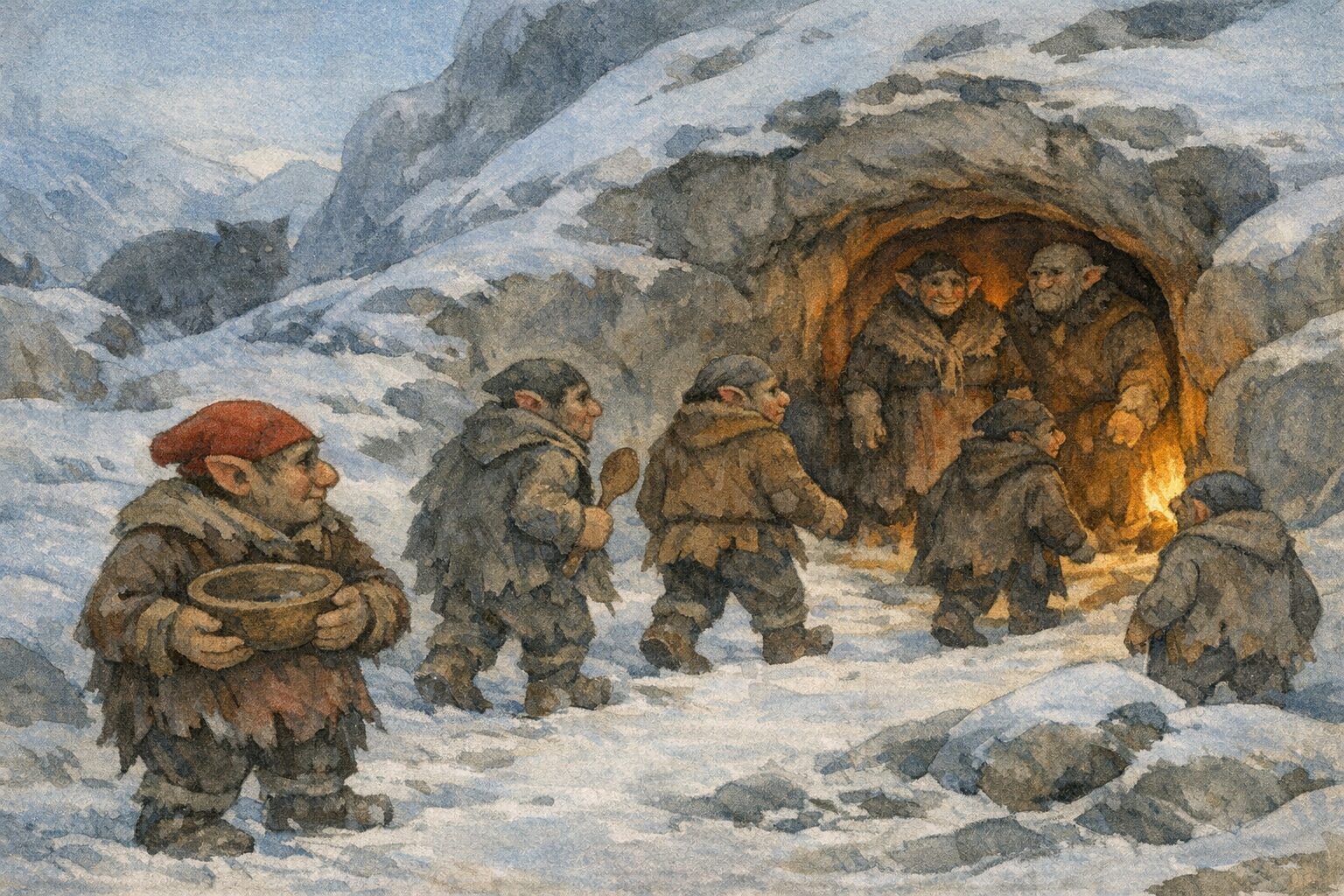
    In Iceland, the Yule Lads come one at a time, one each night for thirteen nights. By the time the first four have shown their faces, the cupboards need watching and the sheep are restless. Shoes appear in windows across the country, waiting quietly to see what the morning brings.

    Let me tell you about the first four.

    Sheep-Cote Clod

    Stekkjarstaur (STEK-yur-stare)

    The eldest comes down from the hills stiffly, as if the cold has settled into his knees and stayed. He walks as though bending were something he once knew how to do and has since forgotten.

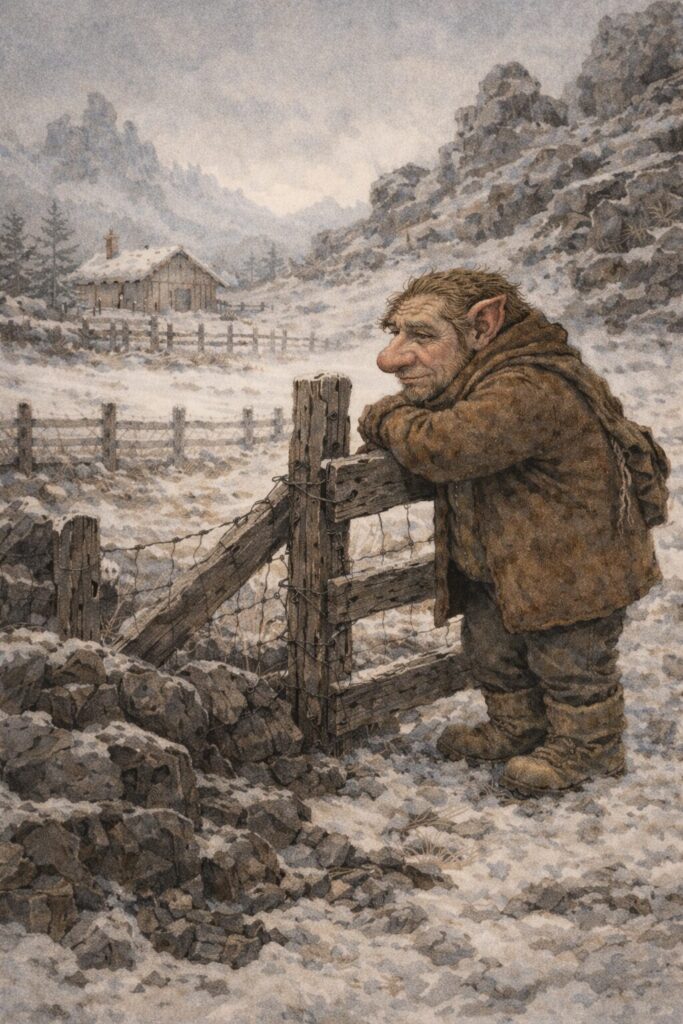
    Sheep-Cote Clod has always had trouble with fences. Gates frustrate him. Hinges offend him. He knows the rules about enclosures, but he also knows how tempting it is to lean too far over them, to test whether wood and wire really mean what they say. He wanders near the sheep pens, peering in, convinced he can manage things better than the gate was designed to do.

    Most nights, he does more bumping than helping.

    The sheep scatter. The fence does not.

    By morning, something is bent. Grýla notices it right away. She always does. She says nothing at breakfast. Later, Leppalúði fixes the damage around their own mountain home, tightening what loosened and straightening what bent. Elsewhere, farmers and their children do the same.

    Have you ever wanted to help, but made things harder instead?

    Sheep-Cote Clod watches from the doorway. He does not offer to help, but does not leave either. He pretends not to be paying attention, but he is.

    He is slowly learning that wanting to help is not the same as remembering how things are meant to work.

    That lesson takes him many winters.

    Gully Gawk

    Giljagaur (GIL-yuh-gowr)

    The second brother prefers places where no one expects him to be.

    Gully Gawk lingers in gullies and narrow paths where snow drifts quietly and footsteps echo longer than they should. He slips into the spaces between places and stands still for long stretches of time. People forget he is there. This works to his advantage.

    He listens more than he moves.

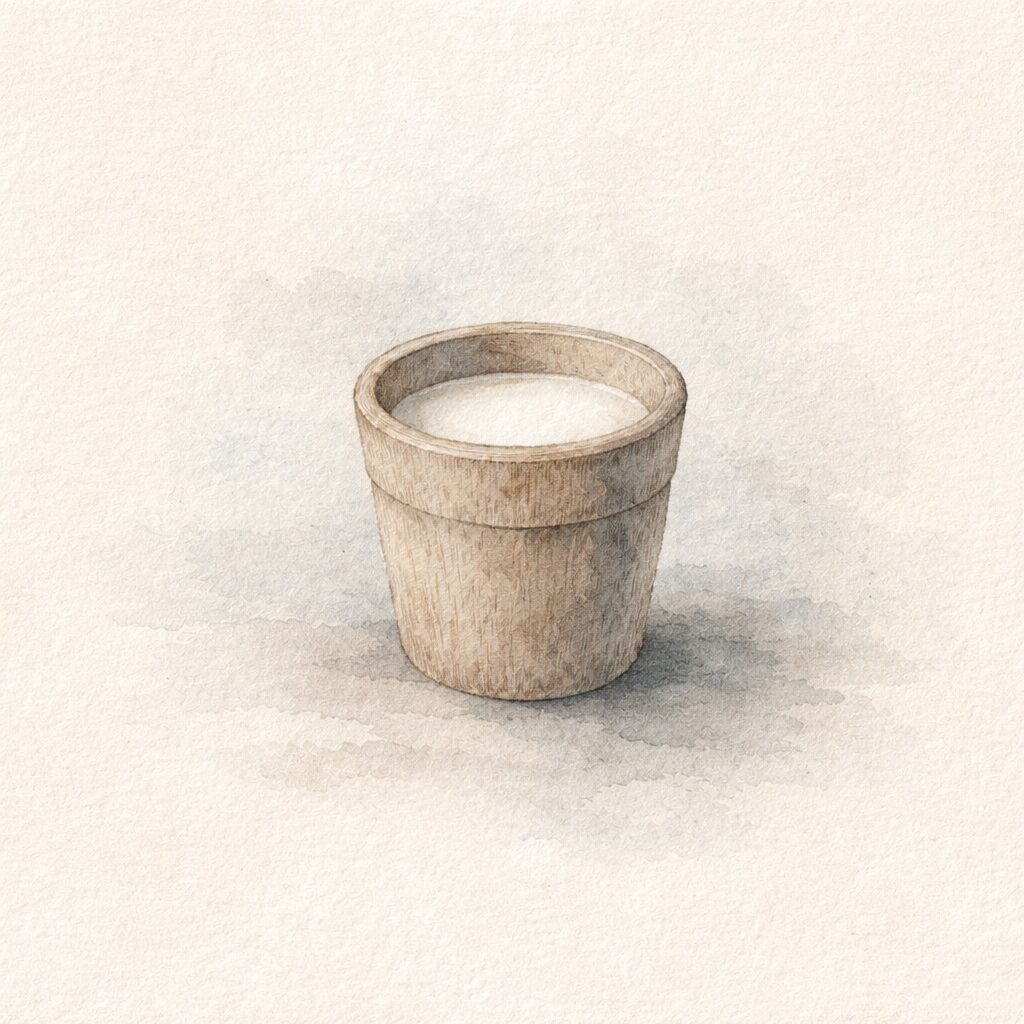
    He follows the sound of milk. Streams, buckets, barns. When a cup goes missing, he is often nearby, close enough to hear the question being asked, studying the stream.

    No one calls him out directly. Grýla keeps track in her own way. She notices patterns. Leppalúði sets one cup farther back than the rest, not hidden, just out of easy reach. Sometimes he sets an extra cup aside.

    Gully Gawk notices. He always notices. Who in your family notices when something small has changed?

    By nightfall, everyone has learned to count the cups before bed.

    Stubby

    Stúfur (STOO-fur)

    The third brother is the shortest, quick on his feet, and never quite convinced there is enough to go around.

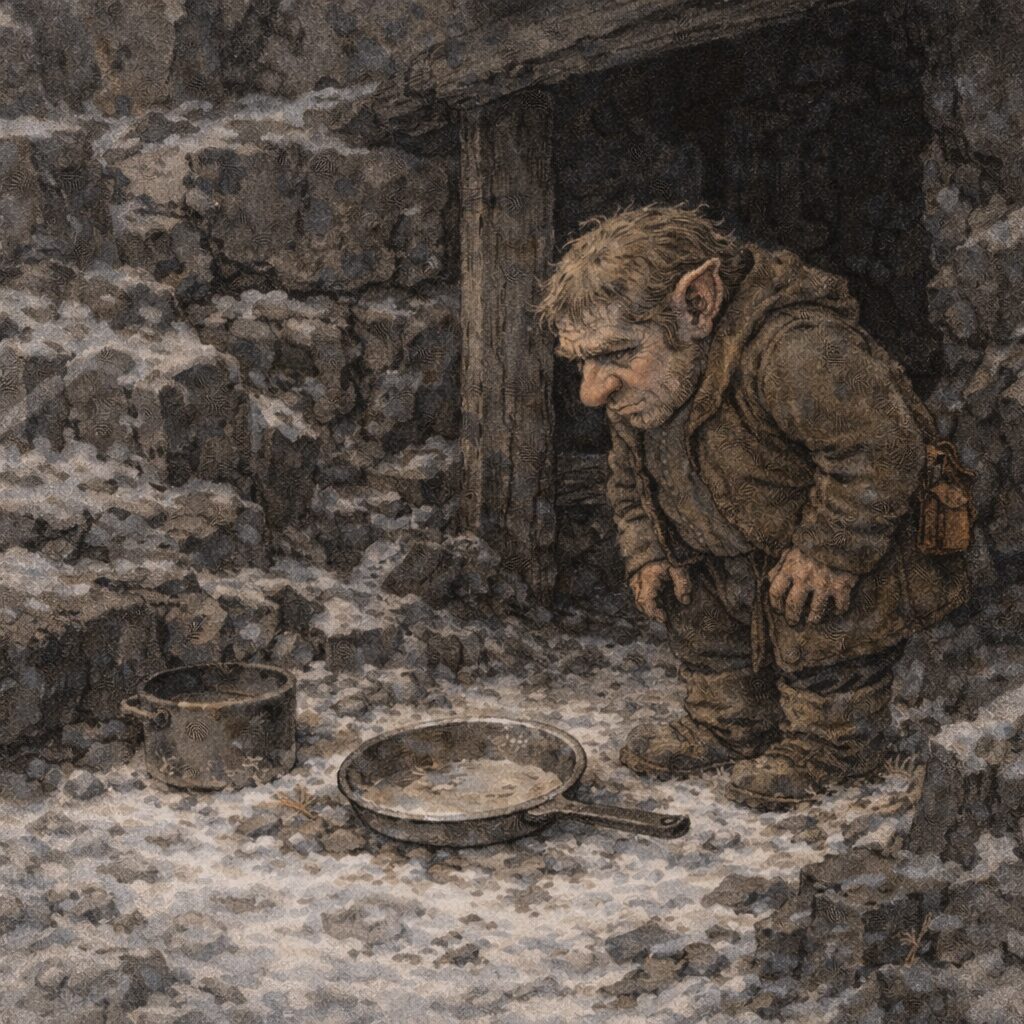
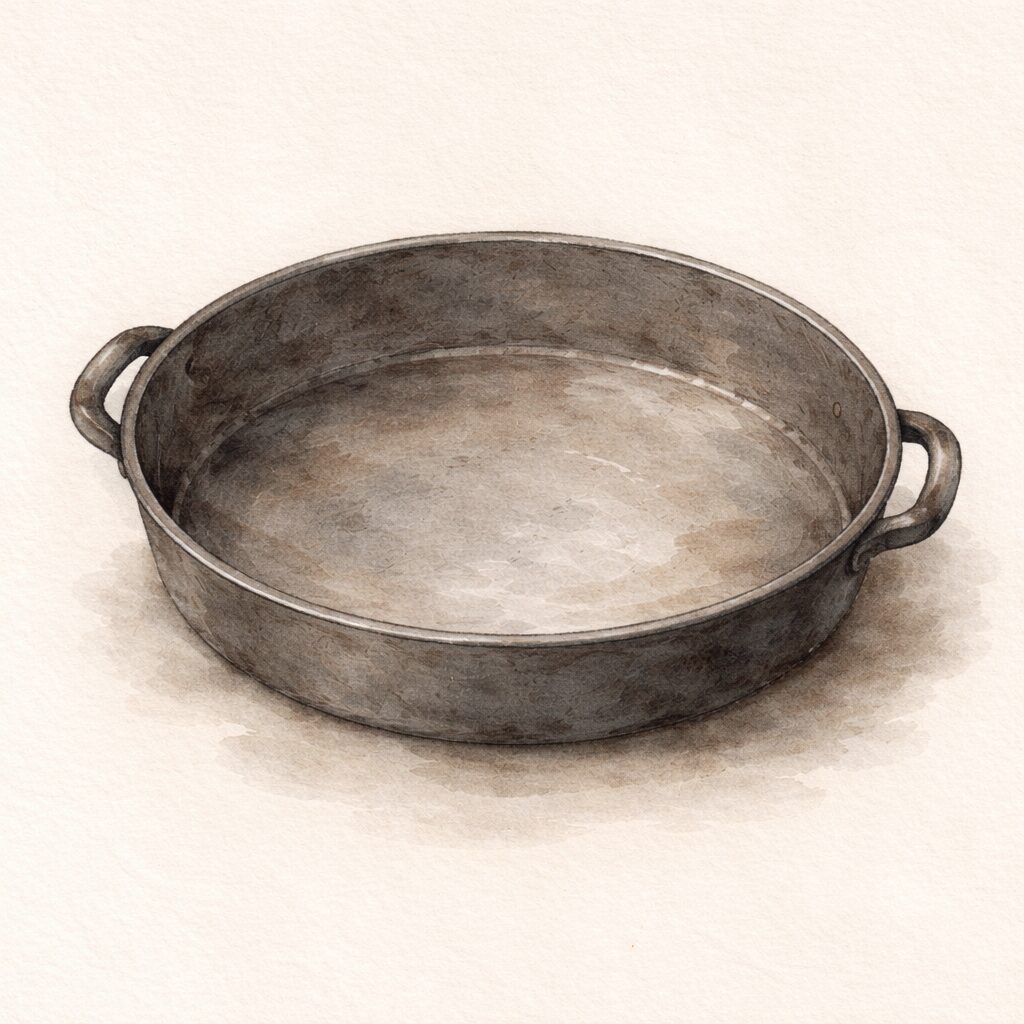
    Stubby hates waste. Scraps bother him. Half-finished things bother him most of all. Pots, pans, and crusts draw him like a magnet, especially when he thinks no one is paying attention. He waits for the moment everyone looks elsewhere, after people scrape plates clean and set meals aside.

    He scrapes pans so thoroughly they shine. Sometimes he scrapes food meant for tomorrow.

    That does not go unnoticed.

    Grýla corrects him without raising her voice. Often, a look is enough. Have you ever gotten a look that said everything without a word? Leppalúði makes sure they share the next meal slowly, leaving nothing unattended or rushed. He leaves a little extra for everyone, spread evenly across the table.

    Stubby eats less than he wants and more than he needs.

    He is learning a lesson many young adults learn slowly. Just because something is almost finished does not mean it belongs to you. He learns to wait.

    He does not like it.

    Spoon-Licker

    Þvörusleikir (THVUR-uh-slay-kur)

    The fourth brother has a different kind of patience.

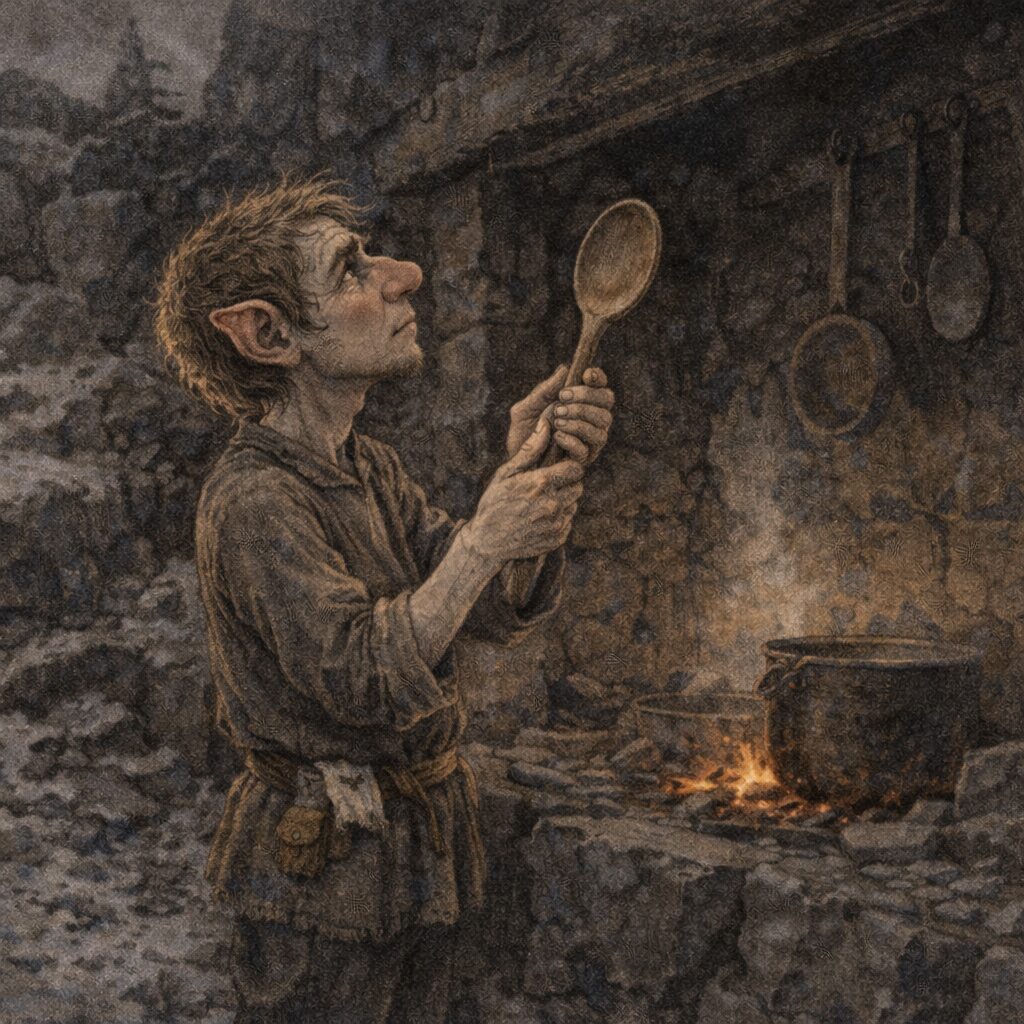
    Spoon-Licker waits near the hearth. He lingers where steam rises and people set down pots, watching hands instead of faces. Spoon-Licker listens for the scrape of wood against iron. He is not bold, he is careful.

    When someone leaves a wooden spoon unattended, he quietly takes it, licks it clean, and returns it polished.

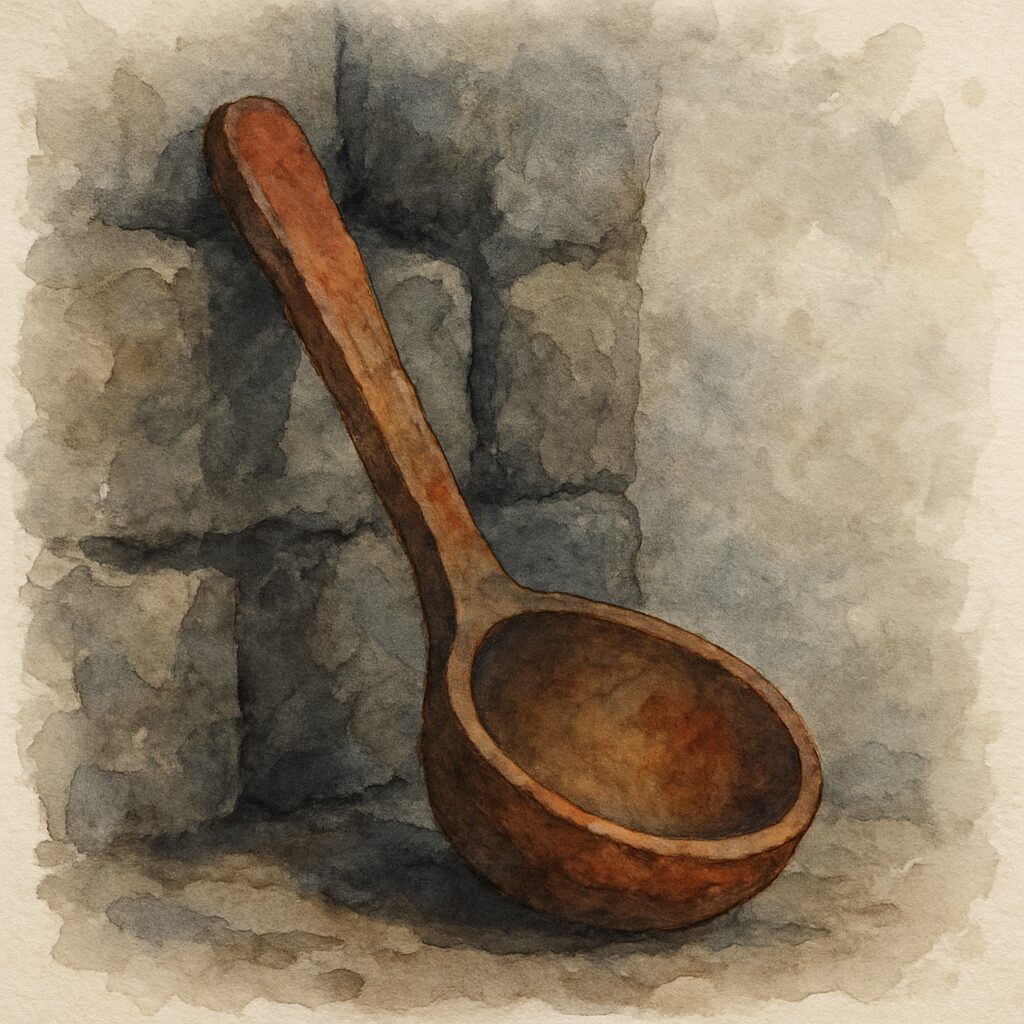
    It is hard to be angry with him. The spoon comes back polished, as if he were doing the household a favor. Grýla lifts an eyebrow when she finds it hanging where it belongs. Leppalúði turns it over once, then hangs it higher.

    Spoon-Licker looks up. He notices where it rests now. He files that away for later.

    He is learning about timing. About asking. About the thin line between cleverness and courtesy.

    Have you ever done something clever, then realized later you should have asked first? Spoon-Licker is not there yet.

    By the time these four arrive, the house feels different. Louder. More crowded. More watchful.

    Outside, children place shoes in windows and go to sleep thinking about what they might find. Sometimes there is a small gift. Sometimes a potato. Neither arrives by accident.

    The Yule Lads are not cruel. It is that they are young, and push where they should pause. They learn, slowly, what it means to live in a household where everyone notices.

    Above the house, snow keeps falling. Inside, the fire stays lit.

    And farther up the path, more boots are already making their way down the mountain.

    More from Iceland’s Christmas Legends
    If you’d like Santa to share a story or bring a little wonder to your home or event this season, my visit calendar has a few open spots. I would love to meet you.

  • Jólakötturinn: The Great Yule Cat of Iceland

    Jólakötturinn: The Great Yule Cat of Iceland

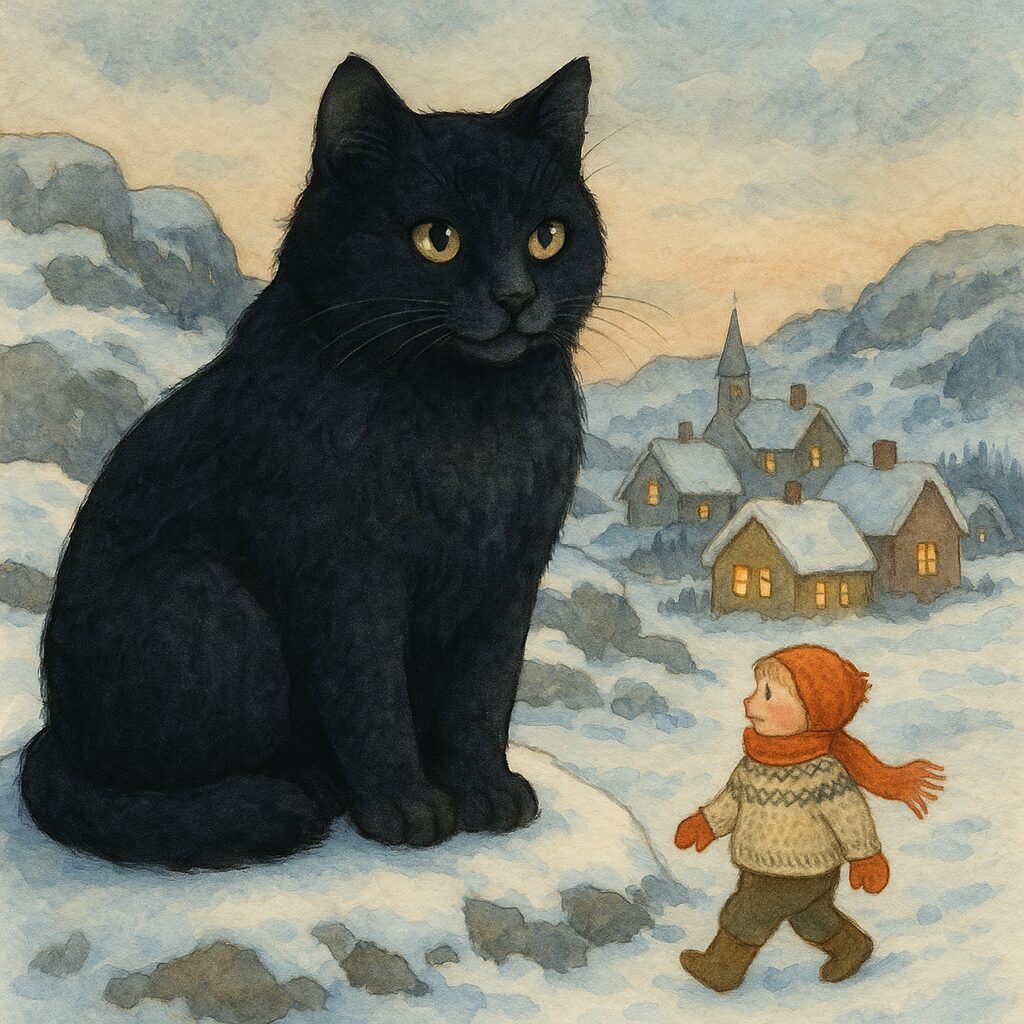
    A week ago, when we first met the Yule Troll family, I told you that every household has one mysterious member. Tonight, let us step quietly into the snow outside their home and look for the shadow that moves with a grace all its own. This chapter belongs to Jólakötturinn (YO-la-KUH-tur-in), the Great Yule Cat of Iceland.

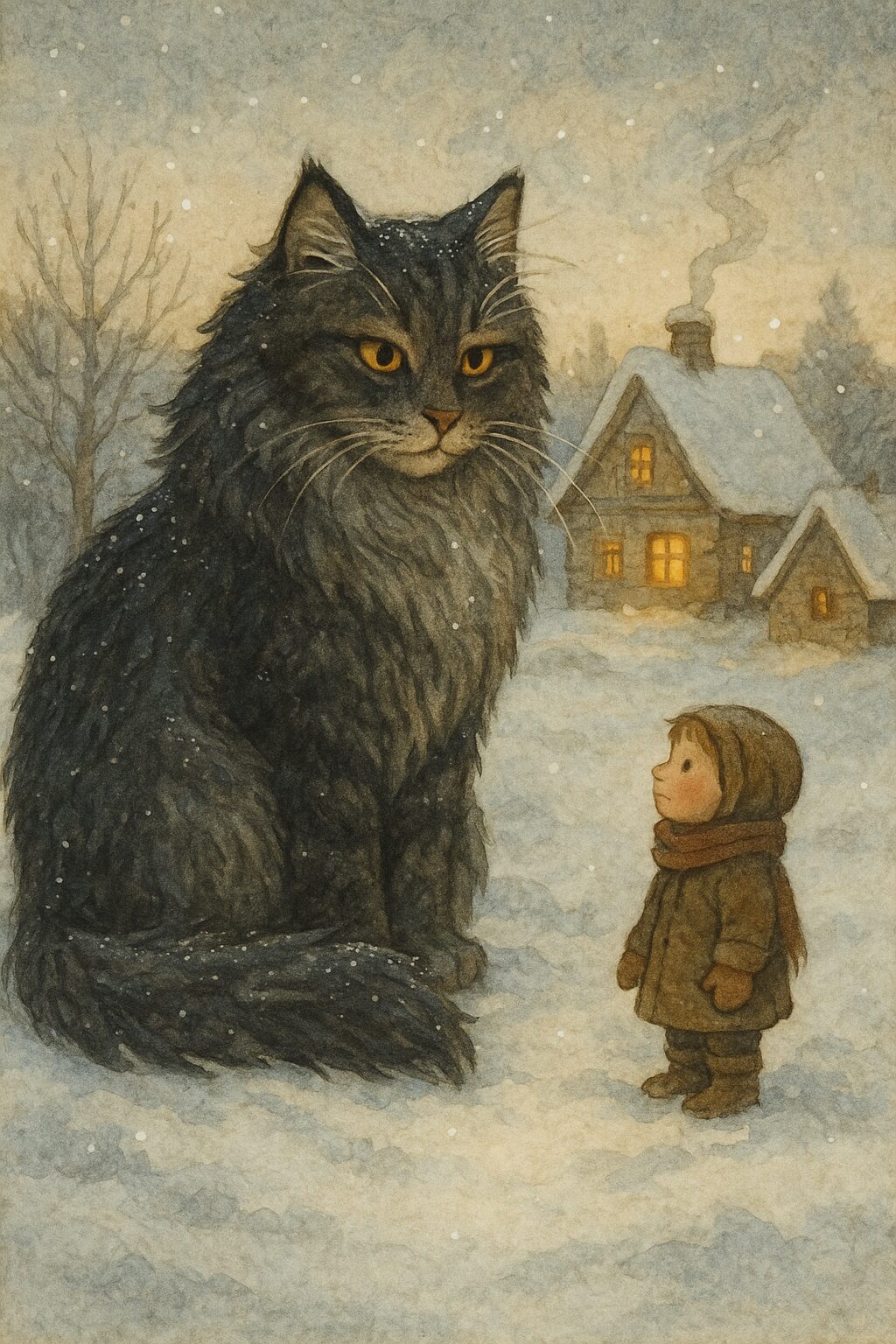
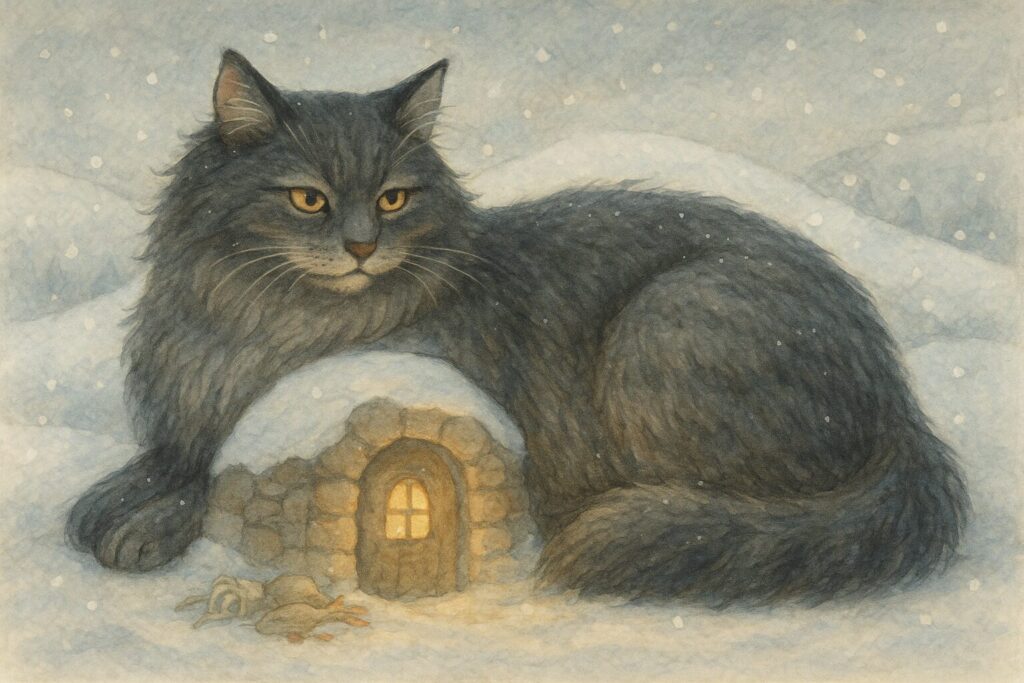
    People have spoken of the Yule Cat for many centuries. Old stories warned of a giant black cat that prowled the winter fields, searching for anyone who was not ready for the season. But like all good tales, this one has changed with time. Modern Icelanders tell it with a smile. The Yule Cat is still enormous. Still watchful. Still able to appear out of the drifting snow like a whiskered spirit. Yet she is no longer a creature of fear. She is a reminder of warmth, kindness, and the comfort of new clothes when the cold grows deep.

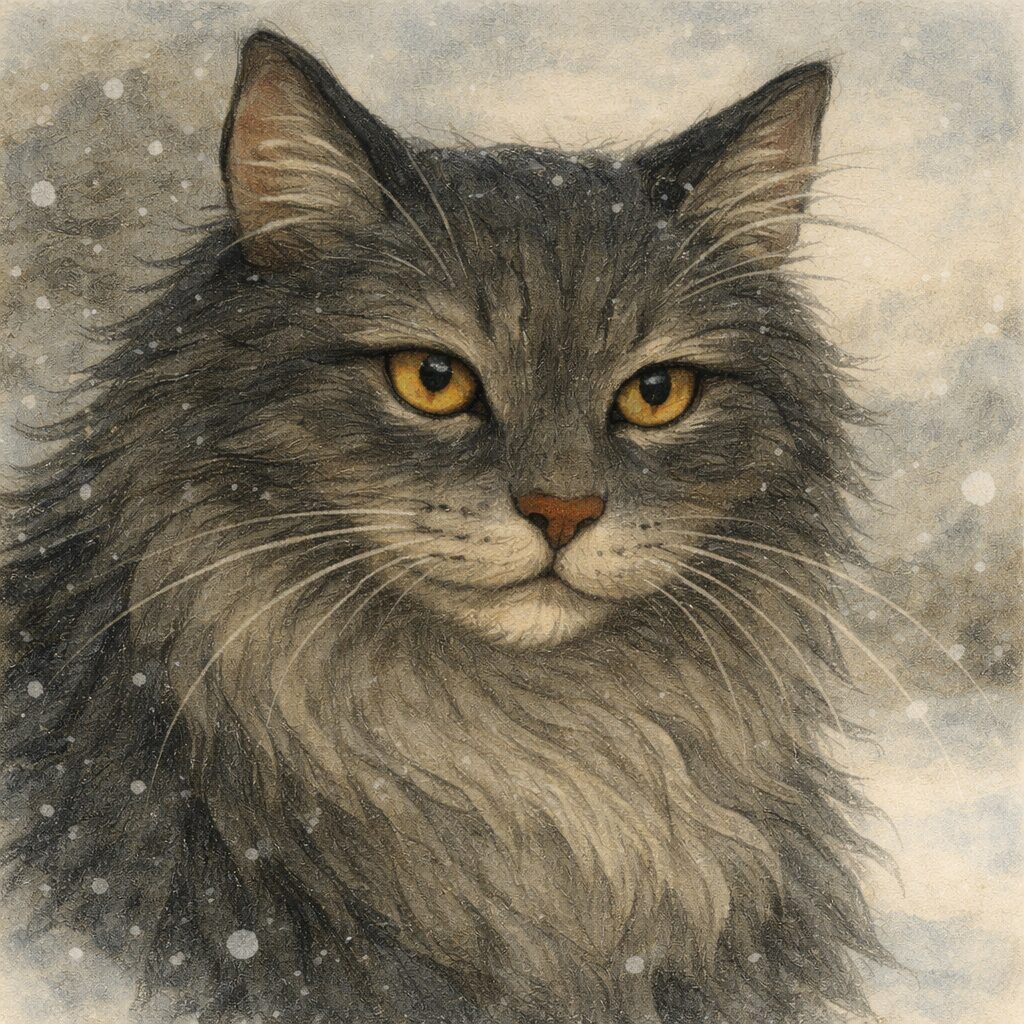
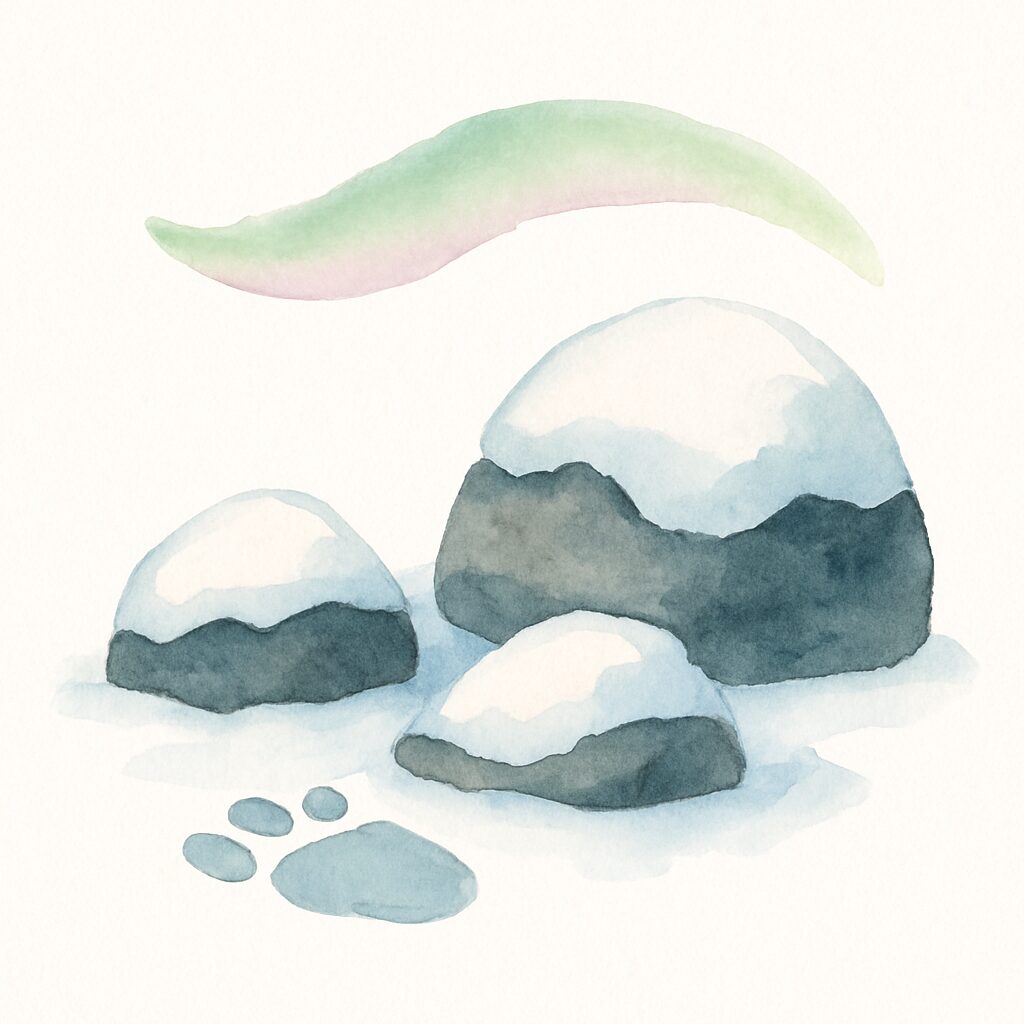
    The Yule Cat walks alone through the valleys beneath Dimmuborgir, weaving between the rocks like a shadow with a heartbeat. Her fur is dark as volcanic stone and dusted with frost. Her eyes glow with the soft gold of embers beneath ash. Children say she can see through snowstorms and hear a mitten fall in the next village. I believe them.

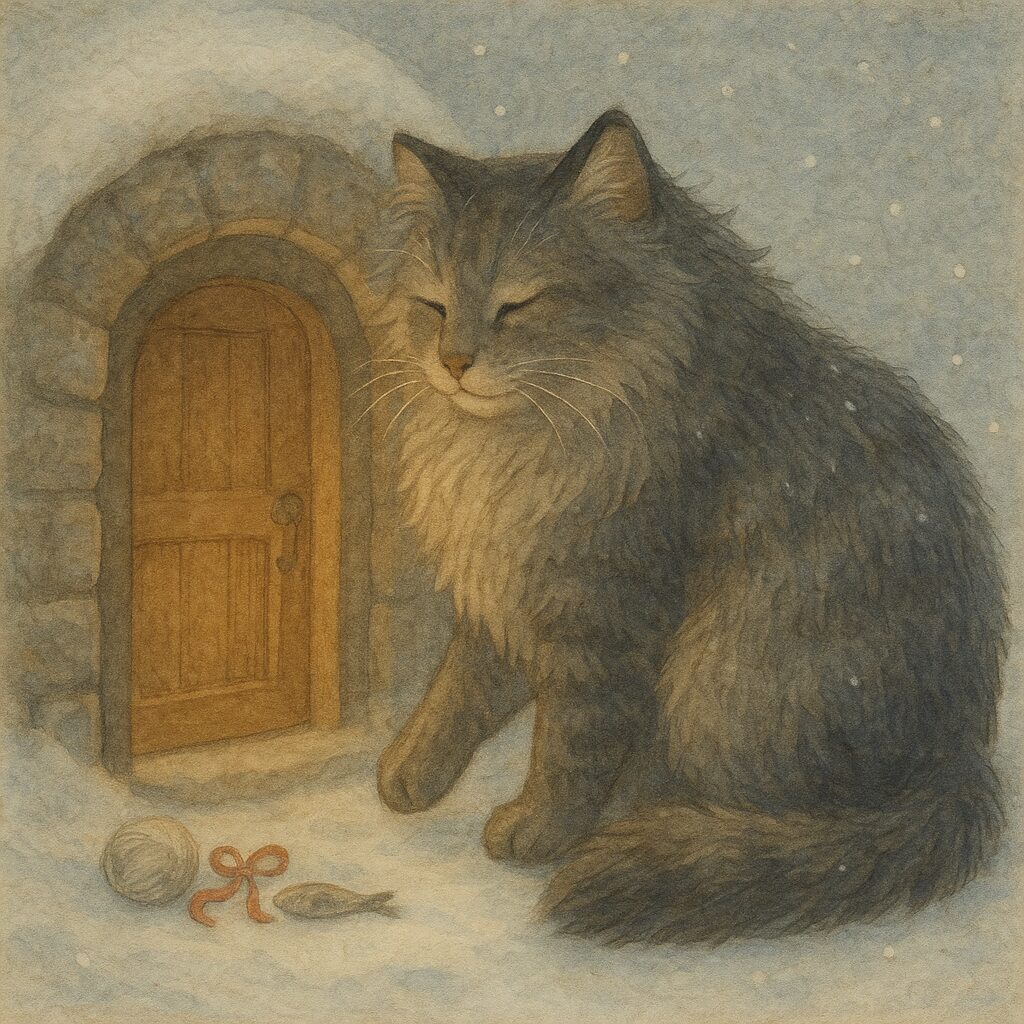
    Some evenings she slips near the troll family’s home, brushing against the doorframe while Grýla stirs a pot or Leppalúði mends a tool by the fire. The boys pretend not to notice her. They try to look brave when her great tail sweeps across the floor. Yet they leave little offerings near the threshold. A scrap of wool. A ribbon from a gift. A piece of leftover fish. They say it keeps her in a pleasant mood.

    In older times, parents told the story of the Yule Cat to encourage children to help with winter chores. If everyone worked together, each person would have warm new clothes before Christmas. Today, people share the tale to remind themselves of something gentler. They say the Yule Cat watches for anyone who might be left out. Anyone who does not have enough. Anyone who needs a bit more warmth as the nights grow long. And when she finds them, she settles nearby like a great furry guardian, making sure they are not forgotten.

    If you have ever known a pet who chooses their own moments of affection, who appears out of nowhere to rest beside you on the coldest night, then you understand a little of Jólakötturinn. She is wild, but not unkind. Enormous, but not cruel. A creature of winter who knows how important it is for everyone to feel included when the world is dark and the snow lies heavy on the earth.

    Next time, we will return to the Yule Lads themselves. Thirteen noisy sons with thirteen unusual habits. Their antics fill many nights in Iceland, and their stories are among the most beloved in the country.

    For now, I hope you enjoyed this quiet walk with the Yule Cat, who watches from the shadows but keeps a gentle heart beneath her winter coat.

    More from Iceland’s Christmas Legends
    If you’d like Santa to share a story or bring a little wonder to your home or event this season, my visit calendar has a few open spots. I would love to meet you.

  • Leppalúði: The Quiet Troll Father

    Leppalúði: The Quiet Troll Father

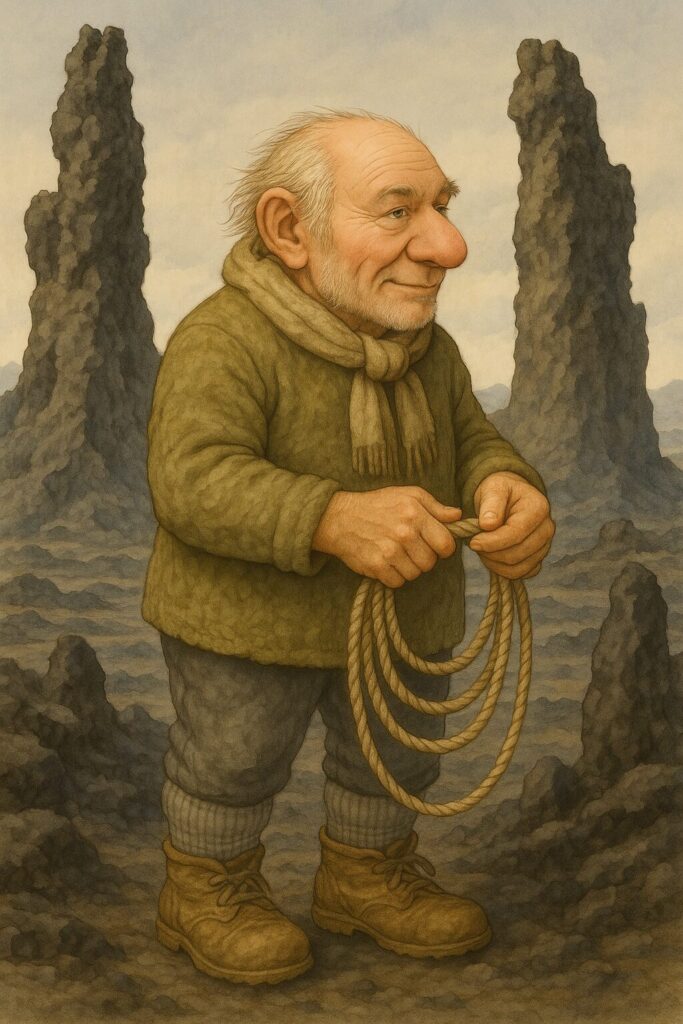
    If Grýla is the voice of the mountains, then Leppalúði (LEP-pal-LOO-thee) is the hush that settles after the echoes fade. He is the quiet father of the Yule Troll family, a gentle giant whose strength does not come from volume or temper, but from patience that seems older than the winter itself.

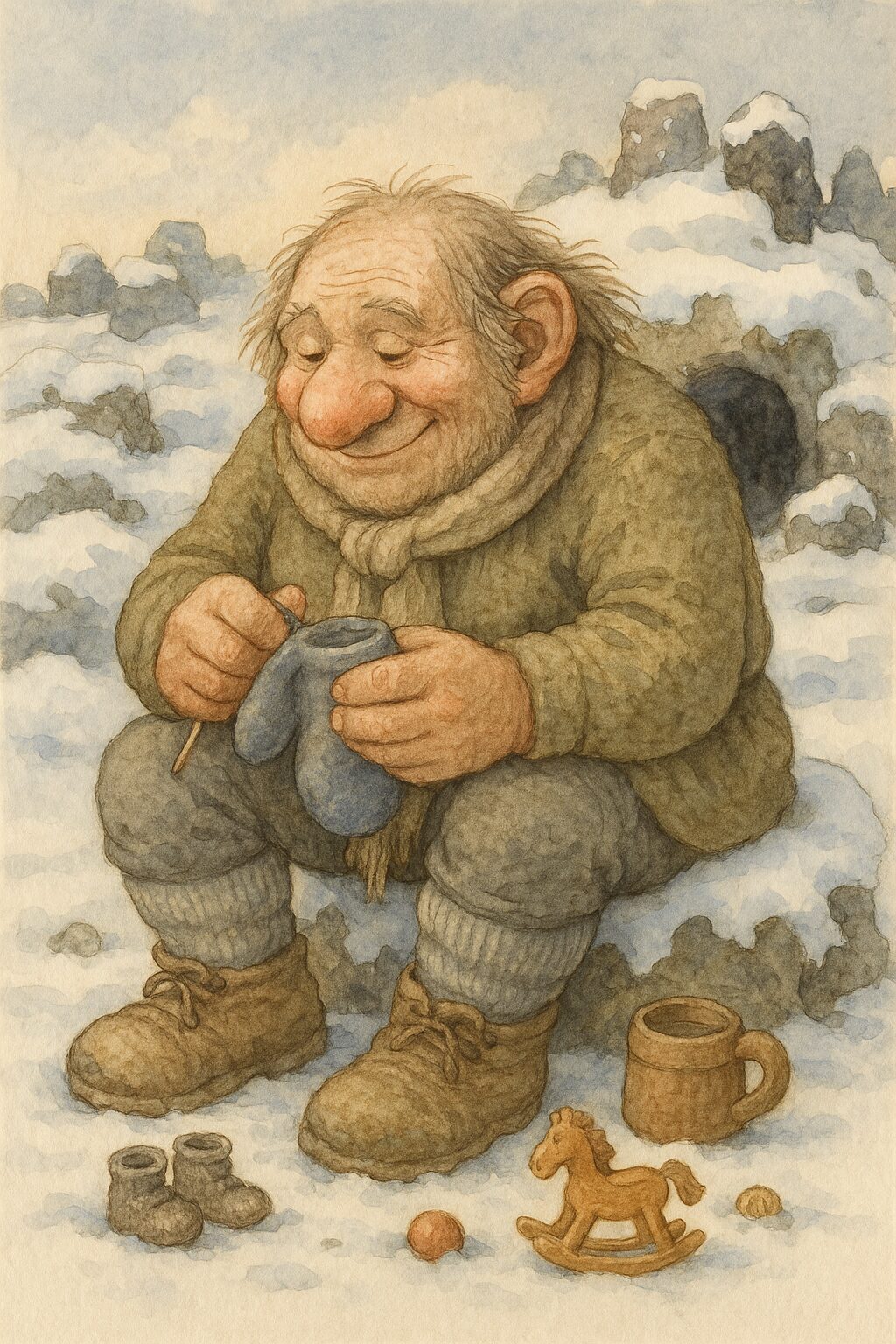
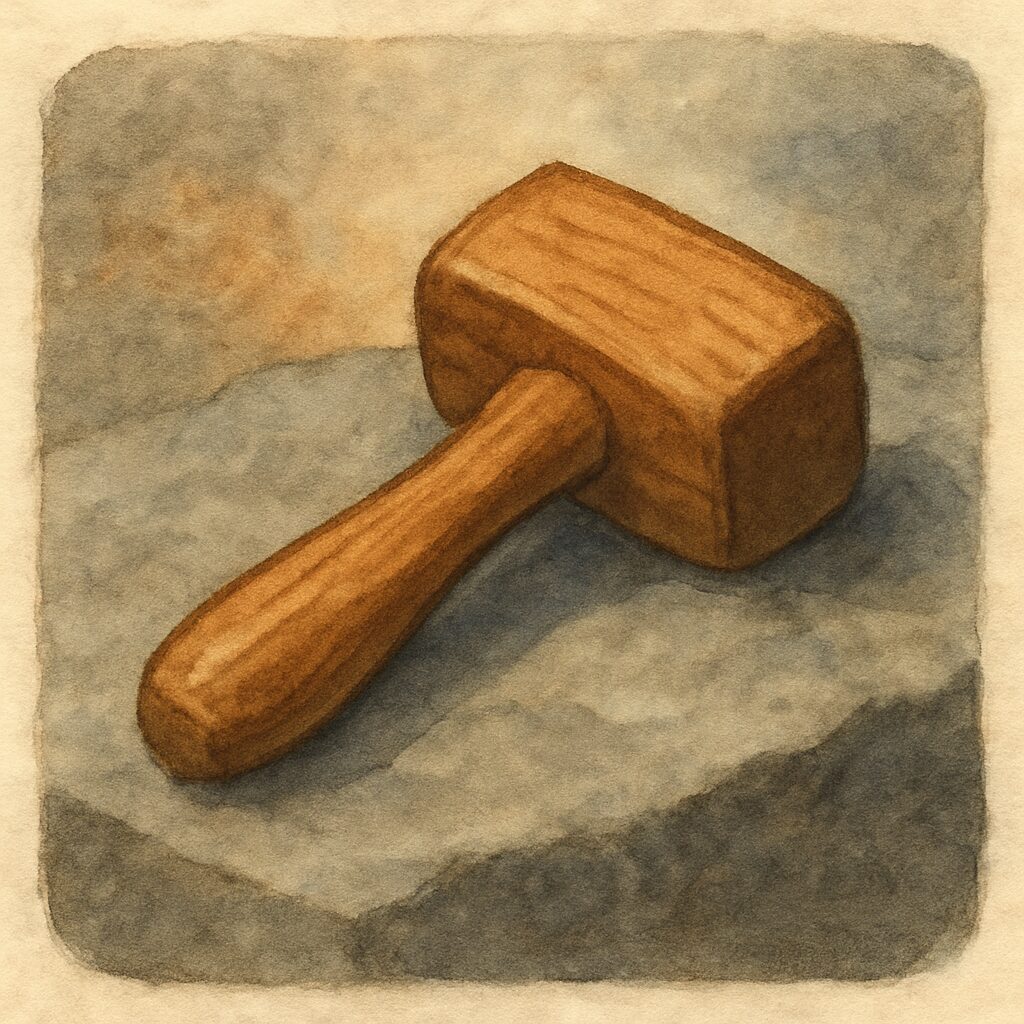
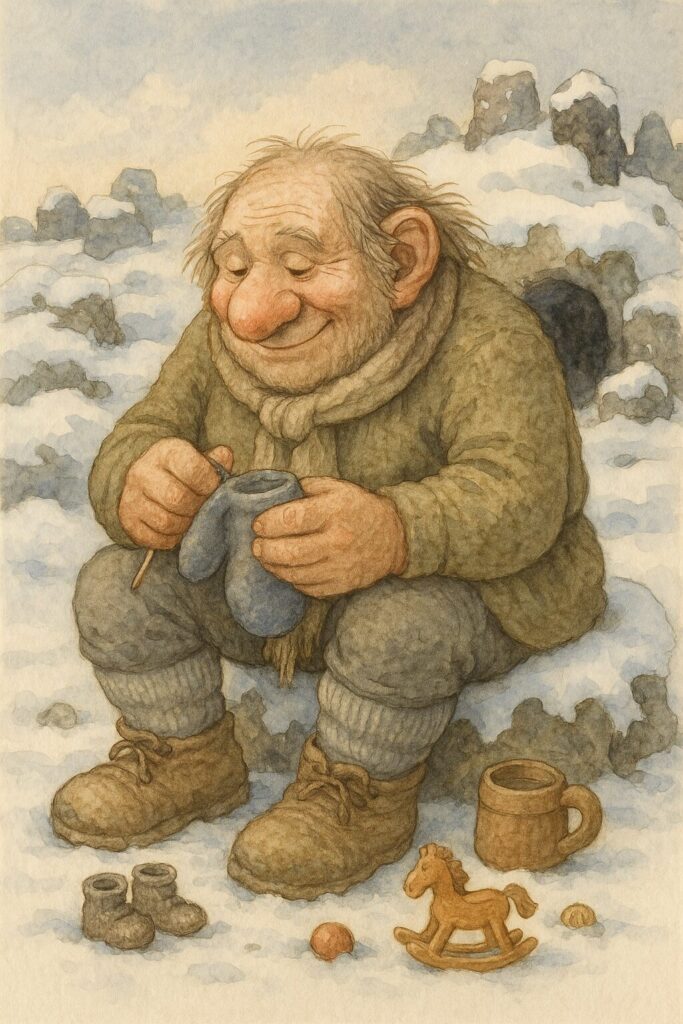
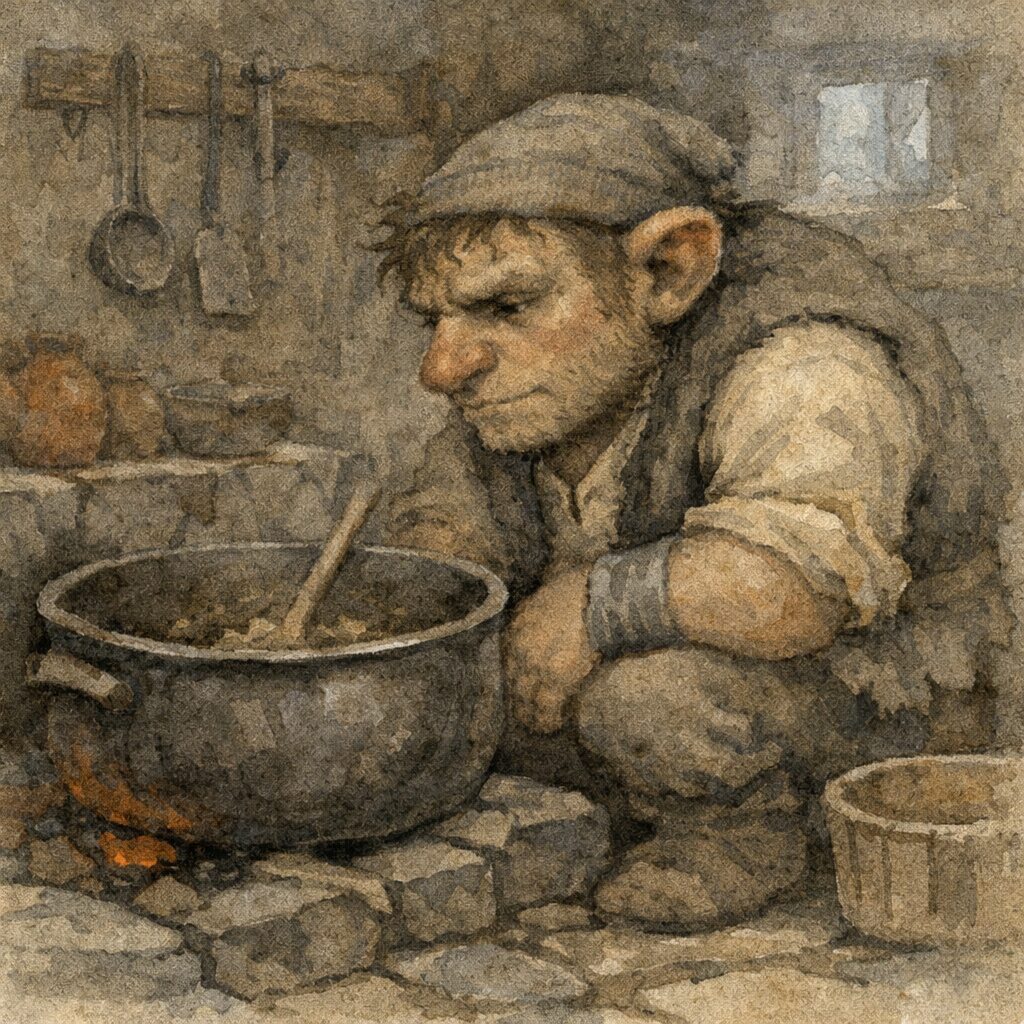
    Very few stories paint him as fierce. Most modern Icelandic families describe him with a fond smile, as if remembering someone who always sat in the same chair by the fire, carving a piece of wood or mending a tool while the house tumbled with noise around him. When I visited their home, that is exactly how I found him: peaceful, unhurried, and perfectly at ease in a world full of clatter and mischief.

    Leppalúði does not move quickly unless he must. He believes you can solve most things by taking one thoughtful step at a time, and he is almost always right. When one boy dents a pan, tears a sleeve, or leaves muddy footprints across the floor, Grýla’s voice rings out first. Leppalúði’s comes afterward, low and steady, smoothing the edges so the day can settle again.

    Leppalúði is not timid. Where Grýla feels carved from the rocky lava fields, Leppalúði seems shaped by the quiet between the stones, and by the gentle snow that settles over their home. He simply knows that storms pass. He knows that a gentle hand often fixes what a loud voice cannot. And he knows that his sons, for all their pranks and appetites, want to be good. They look up to him more than they realize. Some say the boys learned their best gentle moments from him.

    If you have someone in your family who brings calm the way another brings excitement, someone who listens before speaking and takes the burden quietly when others are tired, then you already understand Leppalúði. He is the anchor of the household. The counterweight to thirteen bustling boys and one formidable winter mother. The one who reminds everyone that the world is steadier than it sometimes feels.

    He always appears exactly where people need him. When I visited, I saw him leaning through doorways to check on conversations, handing a ladle into the kitchen at just the right moment, and shooing a sheep out of the pantry with the same gentle firmness he used on his children. Nothing startled him, not even the boys’ bickering or the sound of Grýla’s footsteps rumbling through the stone halls.

    In every story worth remembering, there is someone who carries the light quietly. For this troll family, it is Leppalúði. Without him, their winter would be louder, sharper, and far less warm.

    Next time, we will meet the Yule Cat and follow her trail of mischief. A cat the size of a house makes for very memorable nights in Iceland, and a story all her own.For now, I hope you enjoyed this quiet moment with a troll who reminds us that kindness does not need to shout to be heard.

    Explore the Iceland Yule Series

     If you’d like Santa to share a story or bring holiday magic to your home this season, my visit calendar is always available.

    More from Iceland’s Christmas Legends
    • Santa’s Northern Neighbors
    • Grýla: Winter Mother of the Mountains
    • Leppalúði: The Quiet Troll Dad (Current)
    • Jólakötturinn: The Great Yule Cat of Iceland
    • The First Four Yule Lads
    • The Middle Five Yule Lads
    • The Last Four Yule Lads
    • How Icelandic Children Celebrate with the Yule Lads
    • What Santa Thinks of the Yule Trolls
    • Why These Stories Matter in the Dark of Winter
  • Grýla: Winter Mother of the Mountains

    Grýla: Winter Mother of the Mountains

    When we first met the Yule Troll family, I introduced them as one great noisy household tucked among the lava fields of Iceland. Tonight, let us draw a little closer. Let us walk to the doorway of their mountain home and settle beside the fire, because this chapter belongs to Grýla (GREE-luh).

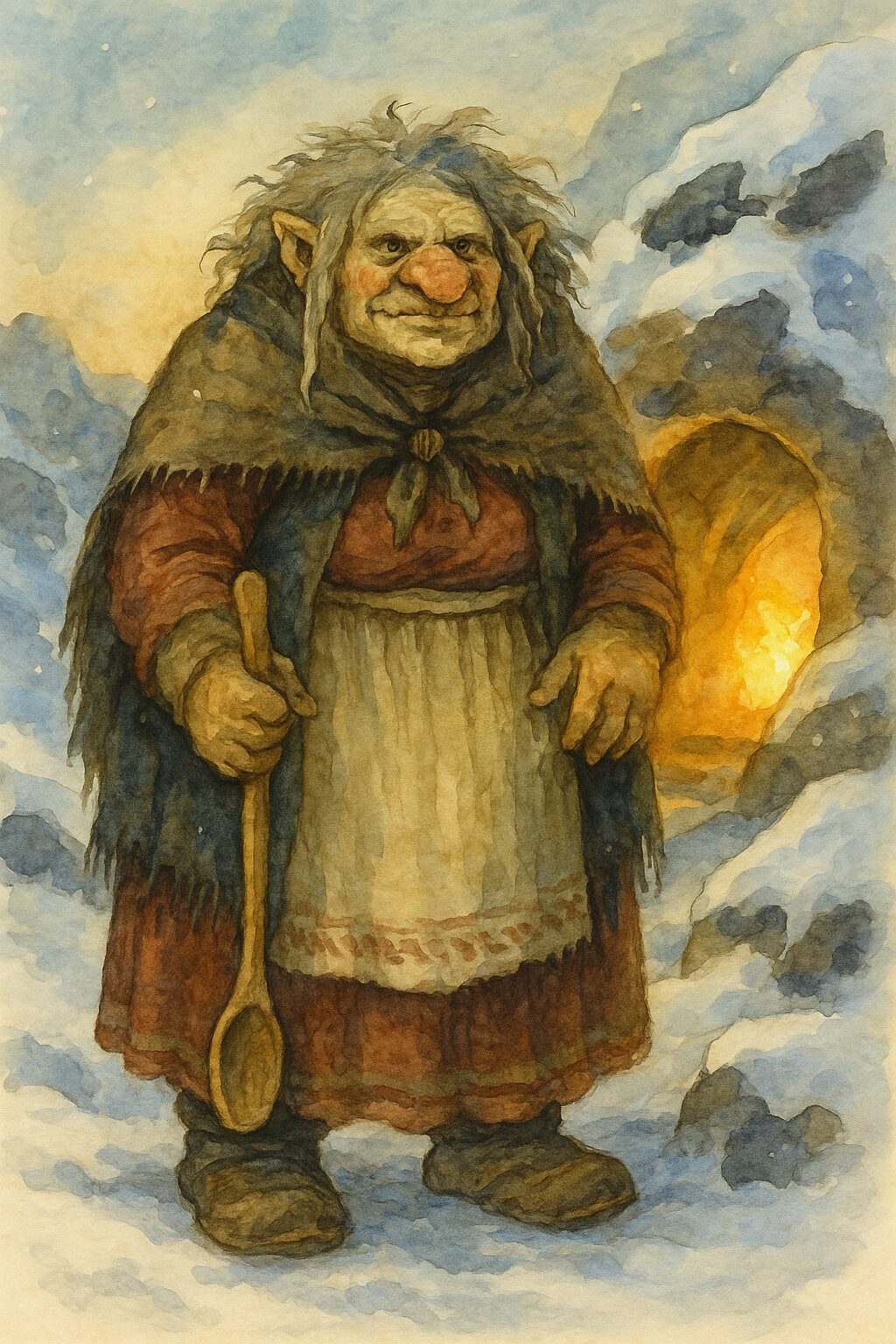
    People have spoken her name for hundreds of years. Some old tales painted her as fierce, meant to keep children from wandering into storms or drifting too far from the hearth. But stories grow and soften over time, shaped by the families who pass them on. Modern Icelanders still speak of her with respect, but also with affection, as if she were a winter aunt who watches everything and misses nothing.

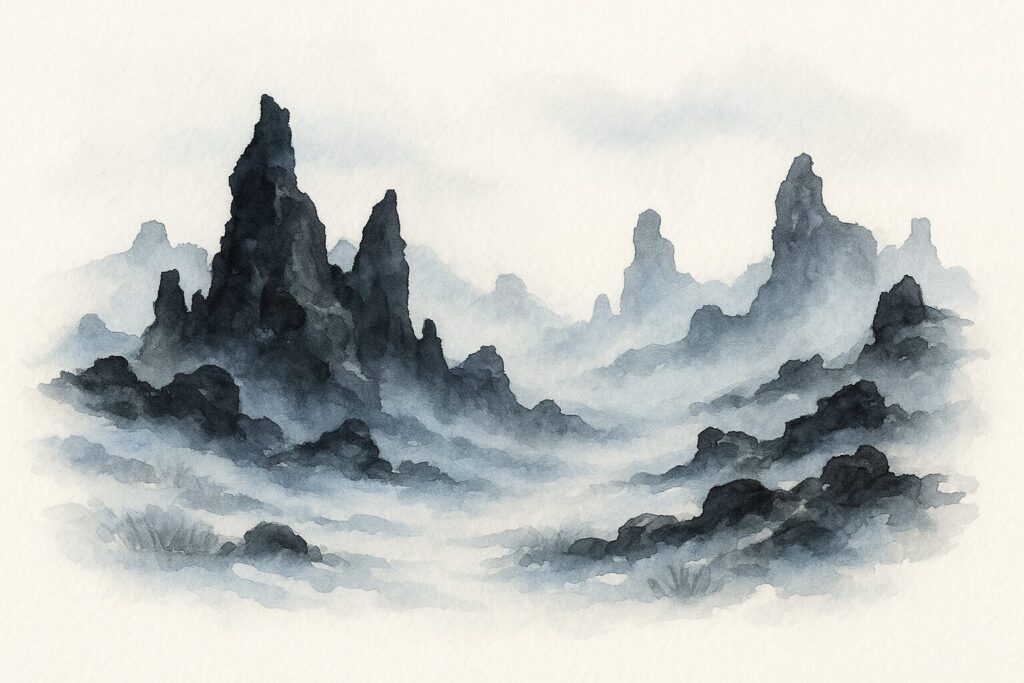
    Grýla lives in the strange black cliffs of Dimmuborgir (DIM-moo-borg-eer), where the rocks rise like frozen waves. The wind moves between them and makes sounds that could almost be singing. She walks that path every morning. She likes to see how winter is settling in, whether the frost is lying properly across the stones, and whether families in the valleys below might need a bit of unexpected kindness.

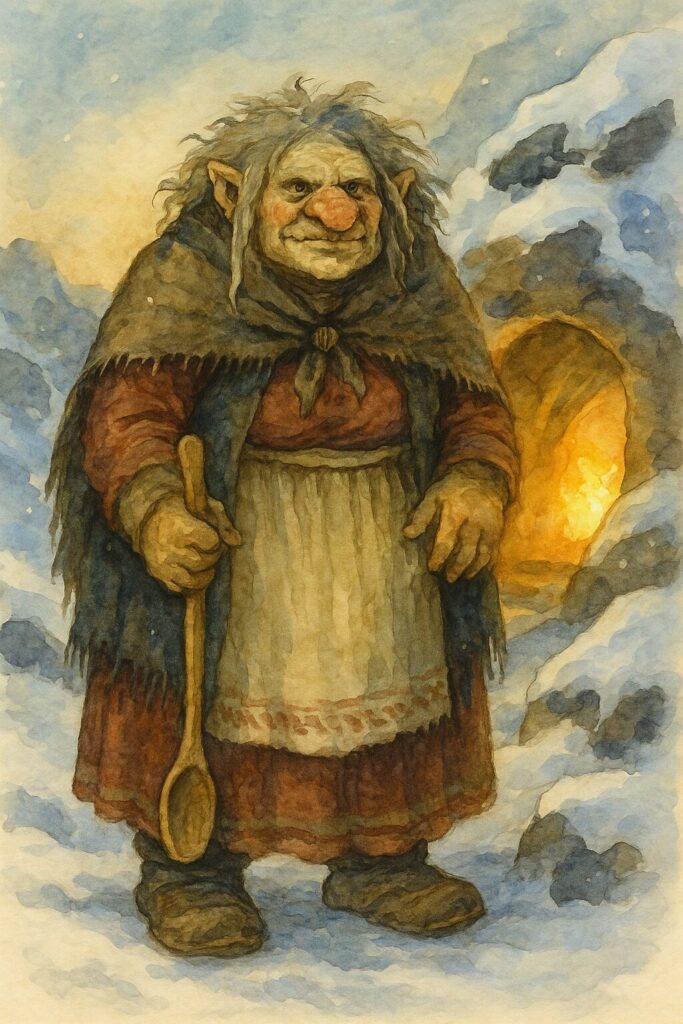
    When she returns home, she listens before she steps inside. With thirteen sons, silence usually means trouble. She loves the boys dearly, and she would never admit how much their laughter pleases her. She is strict about manners and expects everyone to behave properly at the table. Yet I have seen the corners of her mouth twitch when the boys try to hide a joke behind their sleeves.

    Grýla seems to have been carved out of the land. Her temper can flare like a small volcanic eruption and fade just as quickly. But beneath that strength is a heart that holds her whole family together like stones in a wall. She is the one who knows when a storm is coming, and the one who steps outside to meet it on purpose. Winter has never frightened her. She understands it in a way only the old mountain spirits do.

    If you have ever known a household where one person carries the weather inside them, and another brings the calm that follows, then you already understand something of Grýla’s place. She stands firmly, speaks plainly, and loves deeply. Even the Yule Lads, with all their mischief, know she sees farther than they do.

    Next time, we will sit with Leppalúði (LEP-pal-LOO-thee), the quiet troll father who balances her strength with patience of his own. He has fewer stories written about him, but that is only because still waters are easy to overlook. You will find him worth knowing.For now, I hope you enjoyed this closer look at the Winter Mother, who keeps the long nights warm for her lively family.

    If you’d like Santa to share a story or bring a little wonder to your home or event this season, my visit calendar has a few open spots. I would love to meet you.

    More from Iceland’s Christmas Legends
    • Santa’s Northern Neighbors
    • Grýla: Winter Mother of the Mountains (Current)
    • Leppalúði: The Quiet Troll Dad
    • Jólakötturinn: The Great Yule Cat of Iceland
    • The First Four Yule Lads
    • The Middle Five Yule Lads
    • The Last Four Yule Lads
    • How Icelandic Children Celebrate with the Yule Lads
    • What Santa Thinks of the Yule Trolls
    • Why These Stories Matter in the Dark of Winter
  • Santa’s Northern Neighbors

    Santa’s Northern Neighbors

    Meet the Yule Troll Family of Iceland

    Far to the north of the North Pole, past snowy oceans and volcanic mountains, lives a holiday family unlike any other I have ever met.

    They live in Iceland.
    They are trolls.
    And they absolutely love Christmas.

    In Iceland, the holiday season is not only about Santa and reindeer. It is also the time of the Yule Troll family. They are part of an ancient tradition. Today, modern Icelanders tell these stories with warmth, humor, and a twinkle in the eye.

    Let me introduce you.


    Grýla, the Winter Mother

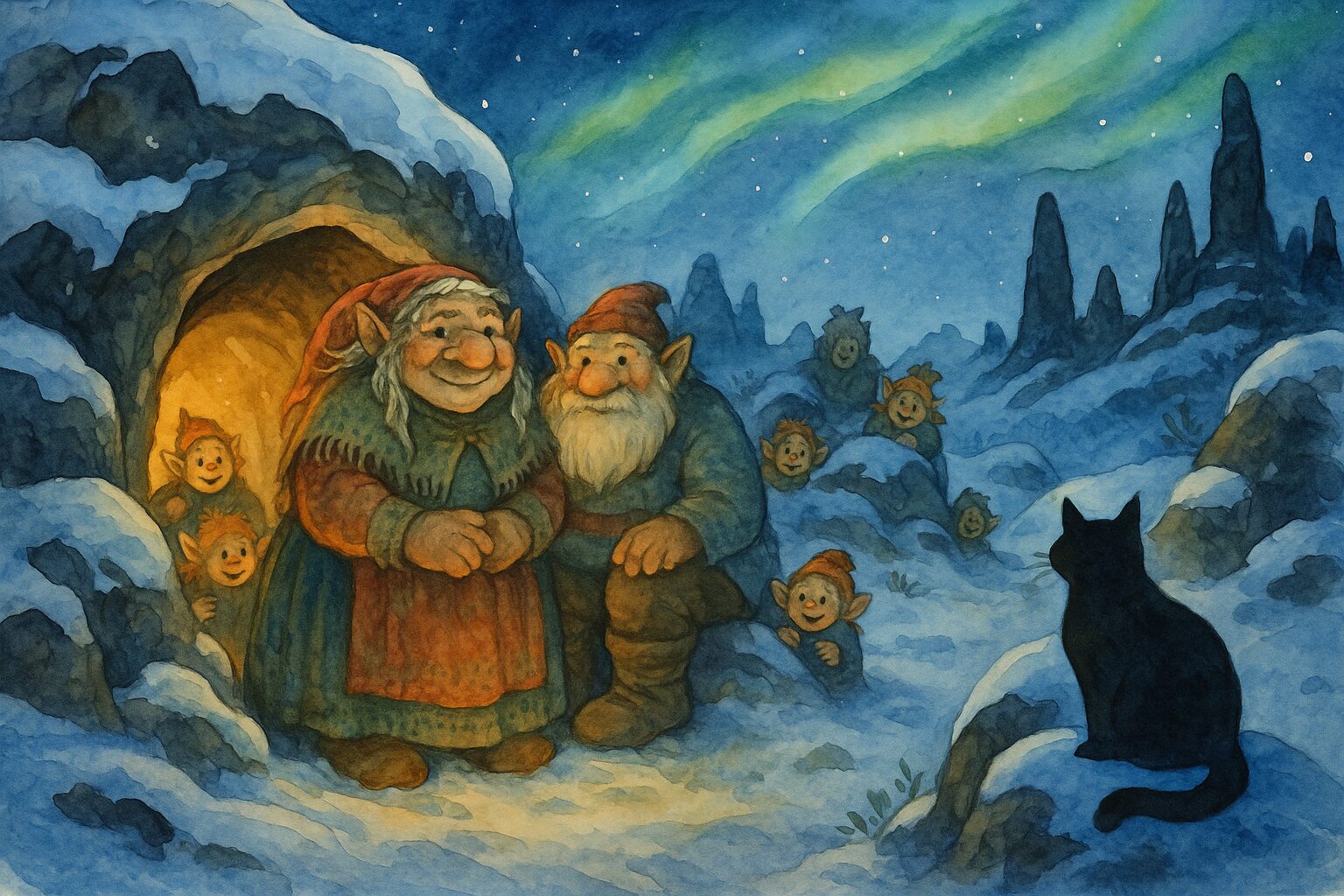
    At the center of the family is Grýla (pronounced GREE-luh). In the past, she had a reputation as a scary mountain troll. These days, most Icelandic children think of her as a grumpy but important winter mother who lives in the lava fields of Dimmuborgir (DIM-moo-borg-eer).

    Grýla watches over her family and keeps an eye on the season. She is strict about manners and rules. Mostly because when you have thirteen mischievous sons, you have to be. How does your mom manage you and your siblings when you’re excited?

    I have always suspected she secretly enjoys the noise and chaos. Even if she pretends she does not.


    Leppalúði, the Gentle Giant

    Grýla’s husband is Leppalúði (LEP-uh-LOO-thee). He is quiet and moves slowly. Leppalúði does not enjoy conflict. If Grýla is the storm, Leppalúði is the snowfall that follows afterward.

    People often see him as the calm one in modern stories. The steady one. The troll who fixes things after the boys have finished causing trouble.

    Every family needs someone like that. Who is “Leppalúði” in your family?


    The Thirteen Yule Lads

    Now come the stars of the show. Their sons are called the Yule Lads. Thirteen of them. Each ‌with a funny habit that gave him his name.

    They do not all come at once. One arrives each night for the thirteen nights leading up to Christmas. Icelandic children place a shoe in the window. If they have done their best to behave, a small gift appears inside by morning.

    If not, sometimes a potato.

    The Yule Lads are not mean. They are silly. Mischievous. Curious. A little too interested in snacks and noise and shiny things. In other words, they are a lot like kids.


    And Then There Is Jólakötturinn the Yule Cat

    Every family seems to have one mysterious member.

    In this one, it is Jólakötturinn (YO-la-KUH-tur-in), the Yule Cat. People say a giant black cat roams the snowy countryside at Christmas. Long ago, the story reminded children to help with winter chores so everyone could have warm new clothes.

    Today, most Icelanders treat the Yule Cat as a symbol of generosity. A reminder to make sure no one is left out in the cold.

    Even a very large cat can have a kind heart.


    Why Iceland Still Tells These Stories

    Modern Iceland does not tell these tales to frighten children. They are told to celebrate winter. To encourage kindness. To share laughter during the darkest part of the year.

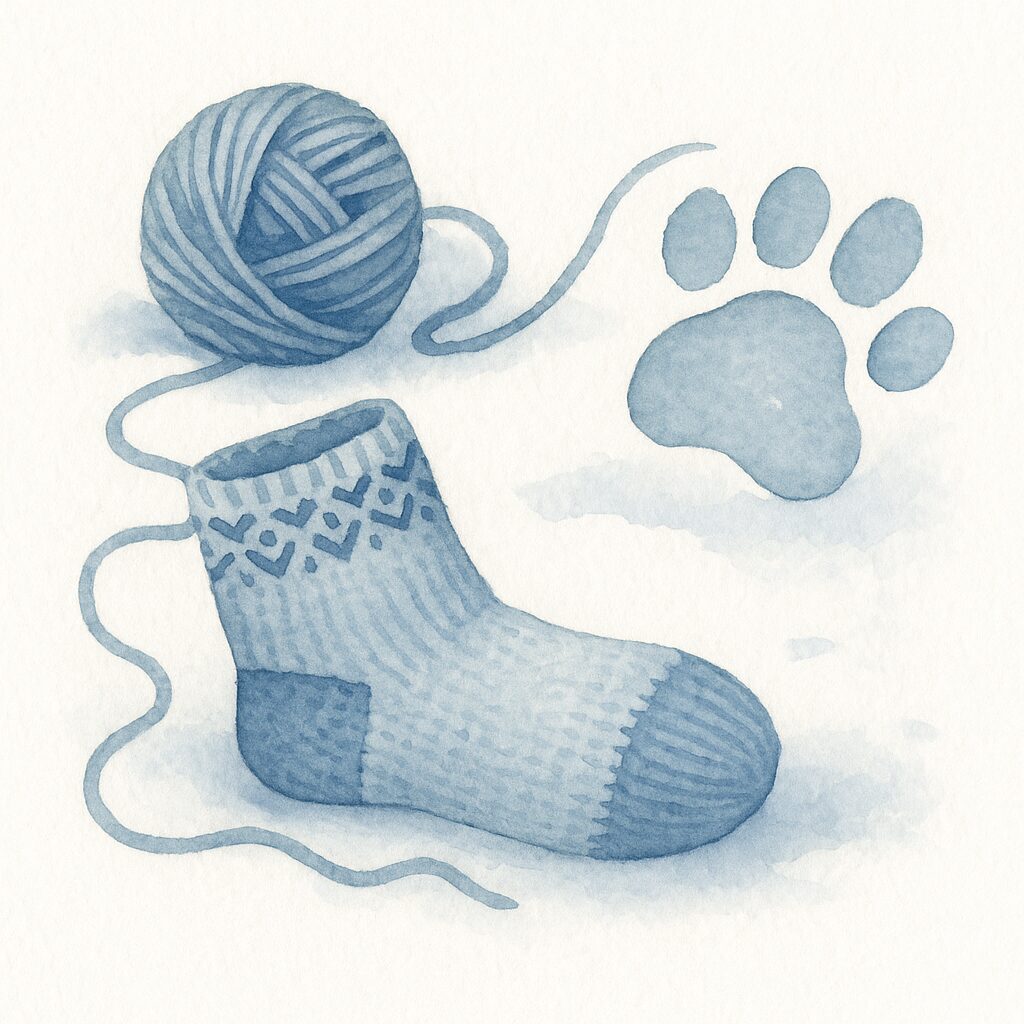
    They remind everyone that even when the nights are long and the wind is loud, families stick together. People can forgive mischief. Warm socks matter. And small gifts mean a great deal.

    As Santa, I find that message very comforting.


    Next, I will tell you more about Grýla herself, the Winter Mother at the heart of this troll family. She is full of surprises.

    You will see what I mean.

    I hope you liked this first peek into Iceland’s Christmas folklore. Our next post arrives on Friday, when we’ll sit with Grýla herself. And if you’d like Santa to share a story or a little holiday cheer with your family this season, my visit calendar is always available.

    More from Iceland’s Christmas Legends
    • Santa’s Northern Neighbors (Current)
    • Grýla: Winter Mother of the Mountains
    • Leppalúði: The Quiet Troll Dad
    • Jólakötturinn: The Great Yule Cat of Iceland
    • The First Four Yule Lads
    • The Middle Five Yule Lads
    • The Last Four Yule Lads
    • How Icelandic Children Celebrate with the Yule Lads
    • What Santa Thinks of the Yule Trolls
    • Why These Stories Matter in the Dark of Winter